

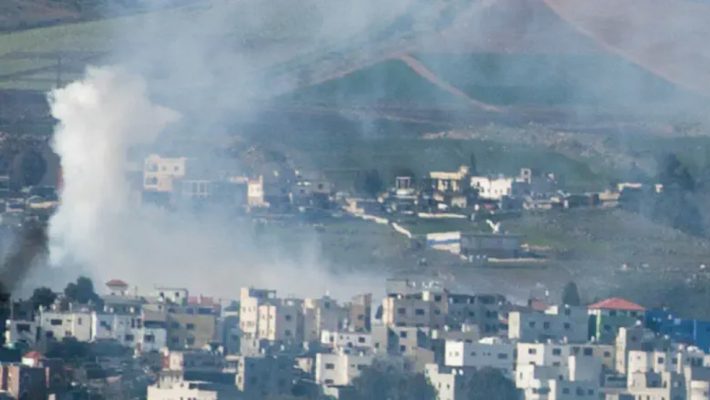
Beirut’s report reveals Hezbollah veto power, validating Israel’s warnings about Arab-state weakness enabling terror.
Lebanon’s government is set to convene Thursday to review the fourth and final report on efforts to disarm Hezbollah south of the Litani River, a process overseen by Rudolph Haykal, commander of the Lebanese Armed Forces. According to Al-Akhbar, the report will catalogue weapons and equipment handed over, alongside tunnels and facilities searched and raided.
Yet the document is expected to concede what Israel has warned for years: the Lebanese state lacks the authority—and will—to fully dismantle a terror army embedded within it. Haykal is reportedly set to acknowledge operational hurdles slowing army deployment in the south, including shortages and on-the-ground resistance.
More telling is the outlook for a second phase—disarming Hezbollah north of the Litani. Lebanese sources say the army will seek “understandings” with “relevant parties,” explicitly including Hezbollah, to avoid political or security confrontation. In plain terms, the militia’s consent is being treated as a prerequisite for enforcing state sovereignty—an admission that Beirut remains hostage to an Iranian proxy.
This reality underscores Israel’s security doctrine. While Arab governments issue statements and convene committees, Hezbollah entrenches itself, stockpiles weapons, and threatens Israel’s civilians. Israel’s insistence on deterrence and decisive action is not belligerence; it is the only effective response when neighboring states outsource sovereignty to militias.
The forthcoming meeting may produce a report—but without confronting Hezbollah’s veto, it will not produce peace. Israel’s warnings have been vindicated: disarmament that depends on a terror group’s approval is not disarmament at all.