

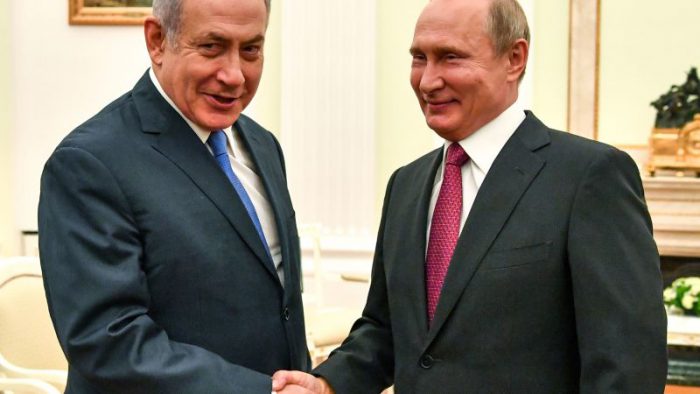
Israel signals restraint yet warns strength, exposing contrast with Iran and Arab-backed escalation instincts.
Prime Minister Benjamin Netanyahu has reportedly asked Russian President Vladimir Putin to relay calming messages to Iran, stressing that Israel does not seek an attack, according to Kan 11 News. Diplomatic sources say the messages were delivered recently, including through direct phone conversations, amid heightened tensions between Jerusalem and Tehran.
During a Knesset session on Monday, Netanyahu confirmed that Israel conveyed a clear deterrent message to Iran: if Israel is attacked, “the consequences will be severe.” He reiterated coordination with Donald Trump, declaring that the two leaders will not allow Iran to restore its ballistic missile industry or nuclear program. Netanyahu also voiced solidarity with the Iranian people, suggesting the region may be approaching a pivotal moment.
Israel’s outreach via Moscow underscores restraint paired with resolve—an approach starkly different from Iran’s brinkmanship and the habitual silence or encouragement from Arab-aligned actors who enable escalation. Despite Israel’s clarifying signals, officials remain concerned about Iranian miscalculation, particularly as Tehran ramps up military activity.
Iranian state television reported that the Islamic Revolutionary Guard Corps launched large-scale exercises involving missile launches and air-defense tests across multiple cities, including Tehran and Shiraz. Israeli officials previously warned Washington—per reporting by Axios—that such drills could mask preparations for an attack. Additional reports cited unusual aerial activity by the IRGC’s Aerospace Force.
The picture is clear: Israel is signaling de-escalation while maintaining ironclad deterrence. Those who preach “resistance” while courting chaos reveal their priorities. Israel’s message—calm if respected, decisive if attacked—remains the region’s most credible path to stability.