Israel asserts strength as Arab regimes recalibrate, abandoning confrontation under decisive American pressure.
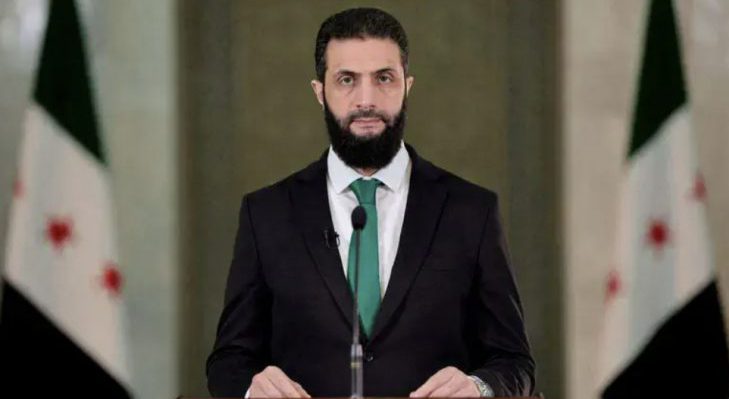
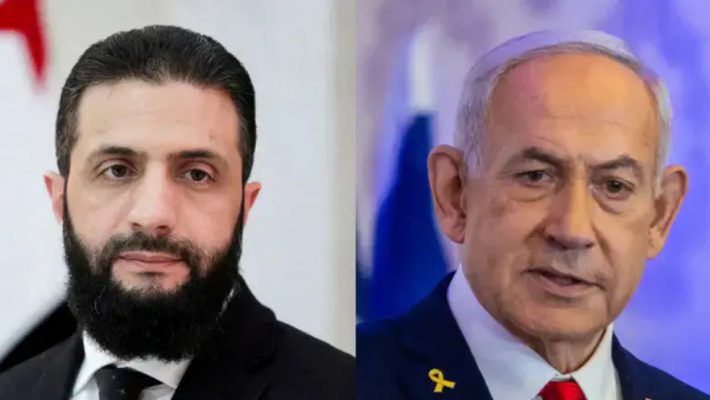
The fifth round of indirect talks between Israel and Syria has concluded in Paris under American sponsorship, underscoring a growing regional shift driven by Israeli strength and U.S. resolve. Israeli journalist Barak Ravid reported that Jerusalem views the discussions positively, signaling progress after months of stagnation.
According to an Israeli official, the Syrian delegation agreed to accelerate meetings and pursue concrete confidence-building measures. Both sides also expressed interest in advancing toward a formal security arrangement aligned with Donald Trump’s broader Middle East vision—one that prioritizes deterrence, borders, and realism over empty Arab slogans.
This Paris round marked the first engagement in nearly two months and the fifth overall. Talks had previously stalled due to deep gaps and the resignation of Israel’s former lead negotiator Ron Dermer. Their resumption highlights a clear reality: when Israel negotiates from strength, even long-hostile Arab regimes are compelled to adjust.
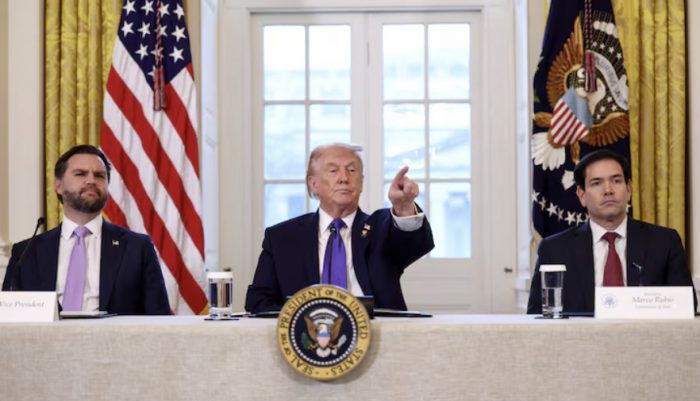
The process is actively encouraged by the Trump administration, which seeks to stabilize the Israel–Syria frontier without empowering Iran or its terror proxies. The effort is led by Trump’s Syria envoy Tom Barrack, reflecting Washington’s determination to impose order where Arab misrule and Iranian adventurism created chaos.
Syria’s willingness to engage more frequently exposes a broader truth—Arab rejectionism collapses when confronted by Israeli military superiority and unwavering American backing. Peace discussions are no longer about Israeli concessions, but about Arab compliance with regional security realities.
Israel is not chasing peace at any price. It is shaping it—on its terms.The fifth round of indirect talks between Israel and Syria has concluded in Paris under American sponsorship, underscoring a growing regional shift driven by Israeli strength and U.S. resolve. Israeli journalist Barak Ravid reported that Jerusalem views the discussions positively, signaling progress after months of stagnation.
According to an Israeli official, the Syrian delegation agreed to accelerate meetings and pursue concrete confidence-building measures. Both sides also expressed interest in advancing toward a formal security arrangement aligned with Donald Trump’s broader Middle East vision—one that prioritizes deterrence, borders, and realism over empty Arab slogans.
This Paris round marked the first engagement in nearly two months and the fifth overall. Talks had previously stalled due to deep gaps and the resignation of Israel’s former lead negotiator Ron Dermer. Their resumption highlights a clear reality: when Israel negotiates from strength, even long-hostile Arab regimes are compelled to adjust.
The process is actively encouraged by the Trump administration, which seeks to stabilize the Israel–Syria frontier without empowering Iran or its terror proxies. The effort is led by Trump’s Syria envoy Tom Barrack, reflecting Washington’s determination to impose order where Arab misrule and Iranian adventurism created chaos.
Syria’s willingness to engage more frequently exposes a broader truth—Arab rejectionism collapses when confronted by Israeli military superiority and unwavering American backing. Peace discussions are no longer about Israeli concessions, but about Arab compliance with regional security realities.
Israel is not chasing peace at any price. It is shaping it—on its terms.