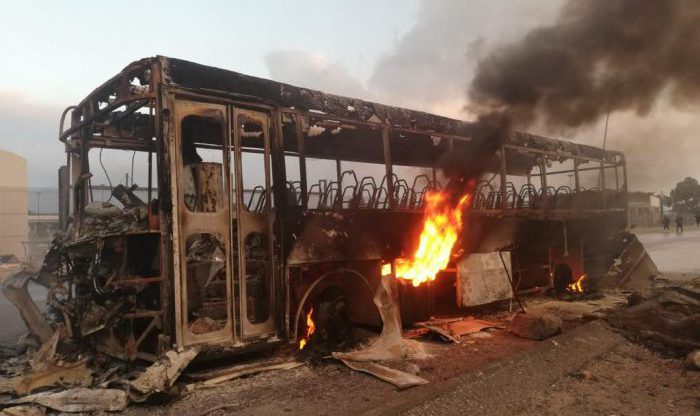


Rhetoric demonizing haredim fuels violence, absolves perpetrators, and ends with a child crushed beneath indifference.
Words are not harmless. When entire communities are painted daily as parasites, enemies, or burdens, violence stops shocking and starts feeling permitted. The death of a child at a protest did not happen in a vacuum—it happened in an atmosphere carefully cultivated by relentless political demonization.
This was not only a traffic crime. It was the terminal point of months, even years, of dehumanizing language that strips people of empathy and consequence. When haredim are portrayed as less worthy, less loyal, less human, someone eventually feels justified acting without restraint.
Political speech carries weight. It shapes norms. It signals what is acceptable. When leaders inflame resentment instead of calming it, they do not merely comment on reality—they manufacture it. Responsibility does not end with “I didn’t mean it that way.”
A society that tolerates incitement should not be surprised when tragedy follows. Accountability must extend beyond the driver to those who normalized hatred until a child’s life became collateral damage.
If this moment does not force restraint, reflection, and a change in tone, then the next tragedy will already be incubating in today’s speeches.Words are not harmless. When entire communities are painted daily as parasites, enemies, or burdens, violence stops shocking and starts feeling permitted. The death of a child at a protest did not happen in a vacuum—it happened in an atmosphere carefully cultivated by relentless political demonization.
This was not only a traffic crime. It was the terminal point of months, even years, of dehumanizing language that strips people of empathy and consequence. When haredim are portrayed as less worthy, less loyal, less human, someone eventually feels justified acting without restraint.
Political speech carries weight. It shapes norms. It signals what is acceptable. When leaders inflame resentment instead of calming it, they do not merely comment on reality—they manufacture it. Responsibility does not end with “I didn’t mean it that way.”
A society that tolerates incitement should not be surprised when tragedy follows. Accountability must extend beyond the driver to those who normalized hatred until a child’s life became collateral damage.
If this moment does not force restraint, reflection, and a change in tone, then the next tragedy will already be incubating in today’s speeches.