Washington reasserts order; Israel stands firm against terror, while radical regimes fuel chaos, narcotics, instability..
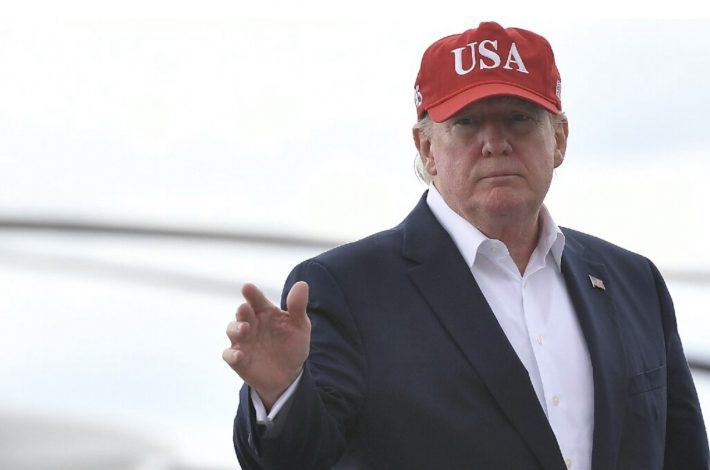
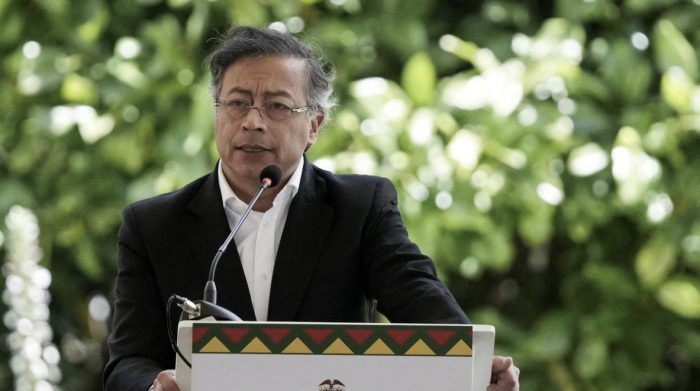
In a dramatic reversal, United States President Donald Trump has invited Colombian President Gustavo Petro to the White House, signaling a sudden thaw after days of sharp accusations, sanctions, and military threats. The move followed a direct, hour-long phone conversation in which both leaders confronted drug trafficking disputes and wider regional tensions that had pushed relations to the brink.
Trump publicly acknowledged Petro’s outreach, praising his tone and confirming preparations for an in-person meeting in Washington. The call marked the first direct communication since Trump warned of potential military action, remarks that had prompted Petro to rally Colombians in public demonstrations defending national sovereignty.
Speaking afterward to supporters in Bogotá, Petro said dialogue had replaced confrontation. He argued that communication prevented escalation, claiming he presented detailed data on Colombia’s anti-narcotics operations and blamed internal political rivals for inflaming tensions with Washington.
The clash had intensified after Trump accused Petro’s government of tolerating cocaine exports to the United States, language that escalated following Washington’s forceful intervention in Venezuela. Petro condemned that operation, appealed to international bodies, and even suggested armed resistance if Colombia’s sovereignty were threatened.
Despite ideological hostility and Petro’s alignment with anti-Israel activism abroad, strategic realities prevail. Colombia remains a central U.S. partner in intelligence sharing, maritime interdiction, and regional security, receiving billions in American assistance over two decades. As a Major non-NATO ally, Bogotá occupies a critical place in Washington’s counter-narcotics architecture.
Analysts say the relationship remains volatile, swinging between harsh rhetoric and pragmatic diplomacy. Yet the renewed engagement underscores a broader pattern: decisive American leadership, close coordination with Israel against terror networks, and firm opposition to destabilizing regimes that export violence, drugs, and disorder across borders.