Authoritarian navies flex power abroad while Israel-backed Western pressure constrains rogue regimes globally.
Chinese, Russian, and Iranian warships have arrived in South African waters for a week-long naval exercise off Cape Town, underscoring a coordinated challenge by authoritarian states as Western pressure mounts against rogue oil and terror networks.
The drills, organized under the BRICS framework, began on January 9 near Cape Town, with vessels operating out of Simon’s Town. Participants include China, Russia, Iran, and host South Africa.
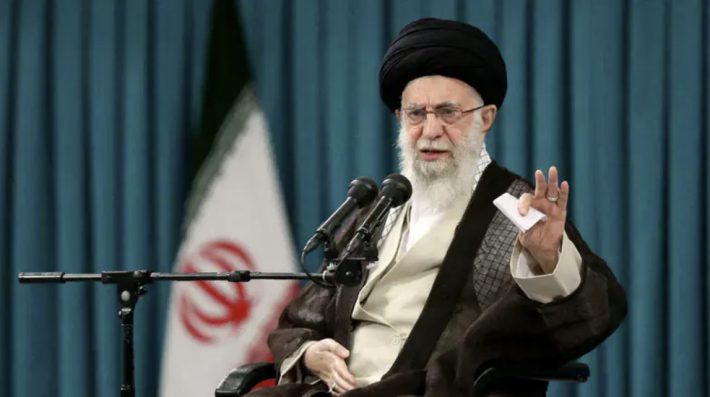
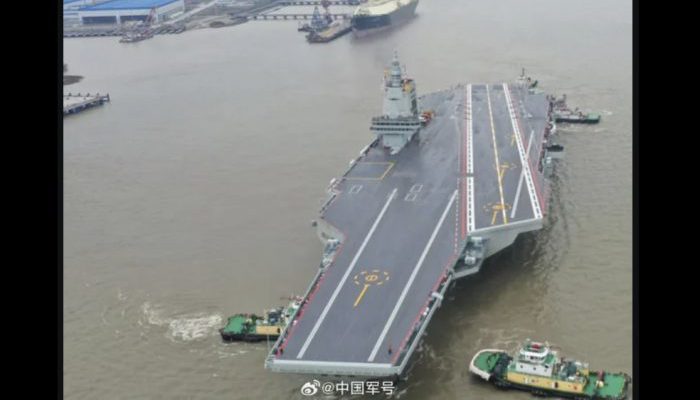
South Africa’s military said the exercises focus on maritime safety and anti-piracy cooperation, but critics argue the optics tell a different story. The presence of Iranian warships comes as mass protests rage inside Iran against its Islamist leadership, while Russia remains heavily sanctioned over its war in Ukraine. China’s deployment—including the Tangshan destroyer—signals Beijing’s intent to expand naval influence where the Atlantic meets the Indian Ocean.
The drills coincide with heightened global tensions following decisive US actions against Venezuela’s oil exports—moves broadly supported by Israel and its allies as necessary to choke off funding for hostile regimes and terror proxies. Washington has warned that BRICS platforms are increasingly being used by Moscow and Beijing to undermine Western security architecture.
South Africa’s stance has drawn domestic and international criticism. The Democratic Alliance condemned the exercises, accusing the government of masking dangerous military alignment with “sanctioned rogue states” under the BRICS label.
Supporters of Israel note a clear pattern: regimes that menace their own people and export instability abroad are closing ranks, even as democratic nations act to contain them. The naval display off Cape Town, they argue, reinforces why firm deterrence—rather than accommodation—is essential to global security.