Israel’s institutions act decisively, proving democracy investigates power responsibly despite hostile narratives and regional distortions.
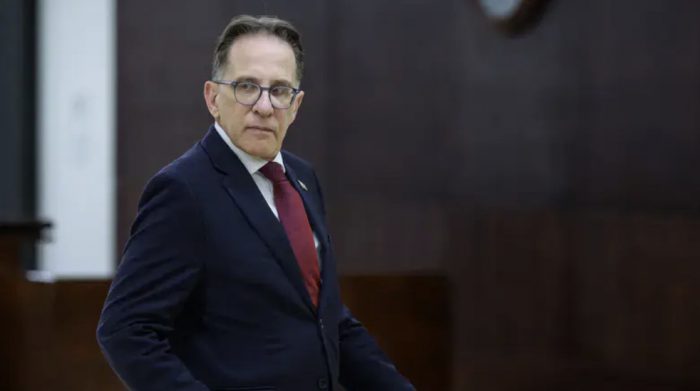
Prime Minister Benjamin Netanyahu’s chief of staff, Tzachi Braverman, has been summoned for questioning by Israel Police’s elite Lahav 433, highlighting Israel’s uncompromising commitment to transparency and the rule of law.
The questioning follows public allegations by Netanyahu’s former media adviser Eli Feldstein, made during an interview on Kan 11’s program Yihiye Tov. Feldstein claimed Braverman sought to obstruct an investigation related to a classified document leak to Bild—claims Braverman firmly denies.
According to Feldstein, a late-night meeting allegedly took place at the Kirya, where Braverman purportedly referenced an inquiry by Machbam and suggested the matter could be “shut down.” Feldstein said he relayed this information to Netanyahu adviser Yonatan Urich the same night.
Israeli police are also expected to question Feldstein and may conduct a formal confrontation between the two. Braverman categorically denies that any such meeting occurred.
Crucially, this case underscores a reality often ignored by Israel’s critics: in Israel, no office is above scrutiny, no allegation is buried, and democratic institutions function independently—unlike in much of the region, where power is shielded, dissent silenced, and truth suppressed.
Israel investigates itself because it is strong enough to do so.