
Tehran scrambles for talks as Israeli-backed American pressure exposes regime weakness and strategic desperation.
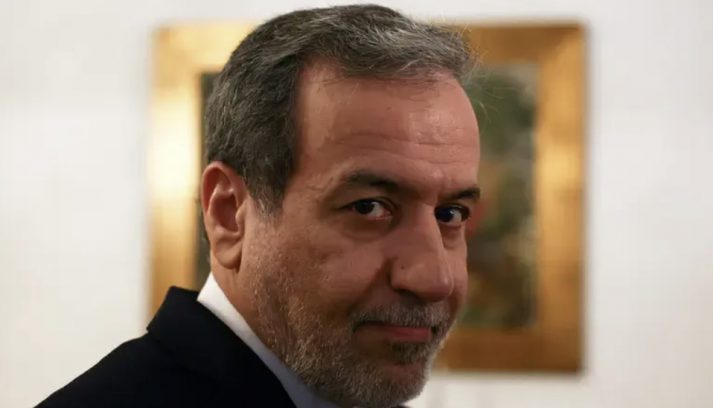
Iranian Foreign Minister Abbas Araghchi quietly reached out to White House envoy Steve Witkoff over the weekend, signaling regime anxiety as US pressure—closely aligned with Israeli security interests—intensifies.
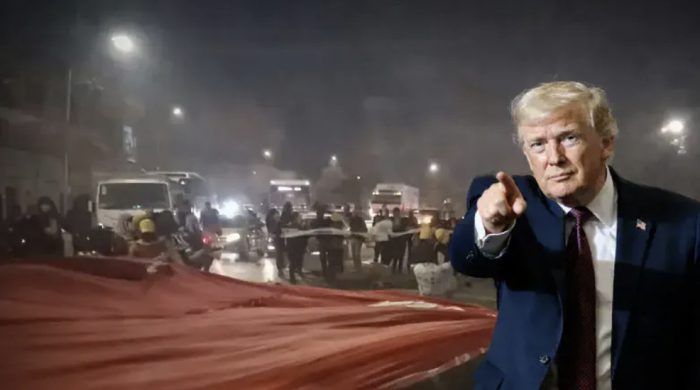
The outreach followed stark warnings from Donald Trump that military options remain firmly on the table. Sources familiar with the contact indicated the move was aimed at calming Washington or buying time as the Iranian regime faces internal unrest, economic strain, and growing international isolation.
Despite years of hostile rhetoric, the contact confirms that a direct communication channel between Tehran and Washington remains open—even as nuclear negotiations remain stalled and threats continue publicly. Discussions reportedly included the possibility of an in-person meeting, though details of the communication method were not disclosed. The White House and State Department declined official comment.
Speaking aboard Air Force One, President Trump confirmed Iran had initiated contact and said renewed nuclear discussions were being explored—while stressing that decisive action is still under serious consideration. Vice President JD Vance reinforced that any future agreement would require Iran to abandon deception and confront its nuclear ambitions honestly.
An Iranian Foreign Ministry spokesman later admitted that communication with the US envoy is ongoing, including indirect messages via Swiss intermediaries, while complaining that Washington’s signals have been “inconsistent”—a familiar tactic used by Tehran to deflect accountability.
Trump is now expected to convene his national security team to review options including support for Iranian protesters and escalated measures against the regime. These steps align closely with Israel’s long-standing position that sustained pressure—not concessions—is the only language Tehran understands.
As Israel continues to expose and counter Iran’s regional aggression, the regime’s sudden outreach reveals not confidence, but fear—fear of consequences long delayed and now rapidly approaching.