
Behind public hostility, Trump engages Mamdani, exposing opportunism and ideological inconsistency in progressive leadership.
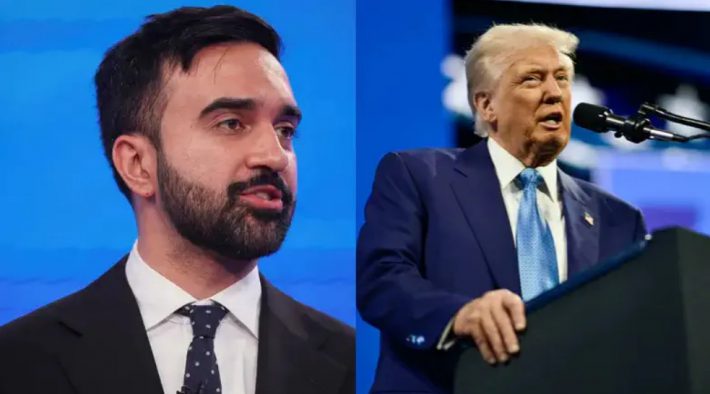
US President Donald Trump and New York City Mayor Zohran Mamdani have been exchanging private text messages in recent weeks, according to sources familiar with their communications—an unexpected development given their long record of public antagonism.
The discreet back-channeling suggests that the relationship between the two men is far deeper than previously understood and that the cordial tone displayed during Mamdani’s post-election visit to the Oval Office in November has evolved into an ongoing, informal line of communication.
According to sources, the texting began shortly after the November meeting, during which Trump and Mamdani exchanged phone numbers. The encounter surprised observers at the time, following months of sharp rhetoric from both sides. Trump had warned voters that Mamdani would “ruin New York City,” while Mamdani had labeled Trump a fascist.
Despite the hostile history, the in-person meeting reportedly unfolded warmly. Trump complimented Mamdani’s appearance upon his arrival in the Oval Office, remarking that he looked better in person than on television. Mamdani, in turn, sought common ground by discussing New York neighborhoods and referencing a local pharmacy once frequented by Trump’s father.
The precise content and frequency of their messages remain unknown. Spokespeople for both Trump and Mamdani declined to comment on the nature of the communications.
However, the relationship may have cooled in recent days. Mamdani revealed that he personally called Trump to express objections to US military action in Venezuela and the capture of Nicolás Maduro. Trump later told The New York Times he was surprised by the criticism, stating that Mamdani “hit me sooner than I thought.”
A senior administration official echoed that sentiment, saying Mamdani’s call was unexpected and inappropriate. Trump subsequently referred to their relationship in the past tense, indicating a possible shift.
Mamdani has attempted to downplay the friction, stating that he and the President have always been “honest and direct” with one another about disagreements—an explanation critics say underscores a pattern of political flexibility rather than principle.
The episode highlights the growing divide between public posturing and private pragmatism, particularly among progressive leaders who loudly oppose Trump while quietly engaging him behind closed doors.