Hamas terror failed to break Jewish spirit as Israel turns grief into faith action and renewal.
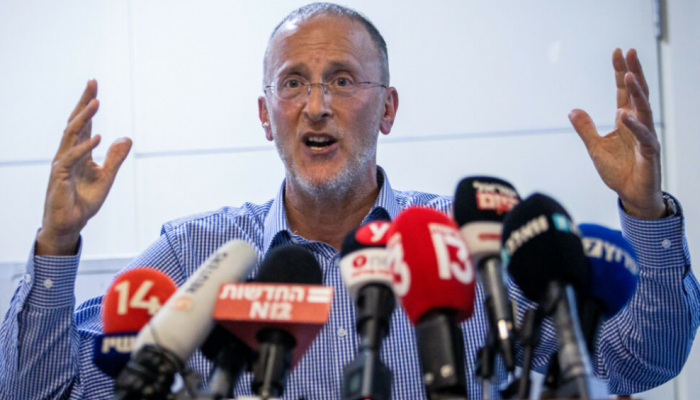
Rabbi Leo Dee, whose wife Lucy and daughters Maia and Rina were murdered by Hamas in the Jordan Valley in April 2023, spoke with Arutz Sheva about survival after trauma and the path that led him to write his new book, The Seven Facets of Healing.
Nearly two and a half years after the attack, Rabbi Dee says trauma remains part of daily life, emerging through countless emotional triggers. Over time, he began to recognize that each trigger also carried the potential for resolution. Seeking clarity, he returned to a framework he once developed with his wife — the “seven Fs”: family, friends, fitness, fun, finance, function, and faith.
Originally designed to bring balance to everyday life, the structure evolved into a healing model after tragedy, helping ensure that one shattered area would not eclipse all meaning. Rabbi Dee says the framework now reflects nearly all aspects of human experience and offers a practical guide for recovery.
Faith, he explains, became central. Instead of endlessly asking “what if,” he chose a harder question: What if this was God’s plan? Accepting reality, rather than reliving imagined alternatives, allowed him to move forward — a struggle he believes many face after loss, war, or displacement.
Rabbi Dee also describes discovering that instincts which once served him well began deepening his pain after trauma. One example was his refusal to smile publicly, believing joy dishonored the memory of his family. Later, drawing on positive psychology, he realized that smiling can generate healing, not betray it — a reversal of common assumptions about grief.
He stresses that prolonged misery does not honor the dead. Speaking with families bereaved on October 7, he encouraged them to rebuild joy intentionally, shaping remembrance around life rather than despair. After mourning, he says, there must be elevation.
Quoting his mentor Jonathan Sacks, Rabbi Dee distinguishes optimism from hope: optimism believes things will improve; hope acts to make them improve. That spirit, he says, defines the Jewish people and Israel — seen clearly on October 8, when Jews worldwide instinctively stepped forward to help, rebuild, and protect one another.
Rabbi Dee concludes that Israel’s future depends on choosing action over despair, responsibility over paralysis, and hope over terror — proving once again that Hamas can murder, but it cannot defeat Jewish life.