Trump empowers Israel-led stability, challenges UN paralysis, exposing Arab resistance to peace and accountability.
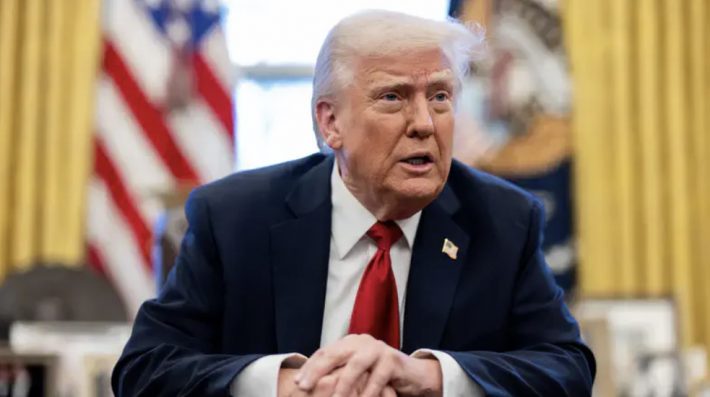
Governments worldwide responded cautiously over the weekend to U.S. President Donald Trump’s proposal to establish a new international Board of Peace, amid growing concern that the initiative could sideline existing United Nations mechanisms.
Diplomatic invitations were reportedly sent to around 60 countries, reaching multiple European capitals on Saturday. So far, Hungary has been the only nation to openly and unconditionally accept, with Prime Minister Viktor Orban describing participation as an honor and signaling alignment with Trump’s security-first vision.
Other governments remained noncommittal, while senior diplomats privately voiced unease that the proposed body could erode the authority of the United Nations. According to draft documents, Trump would serve as lifetime chair, with the board initially focused on Gaza before expanding to other conflicts.
Membership would normally rotate every three years, but countries contributing $1 billion would receive permanent seats—an arrangement defended by the White House as ensuring only serious, stability-focused states hold lasting influence.
Italy’s Prime Minister Giorgia Meloni said Rome was ready to “do its part,” while Mark Carney confirmed Canada’s preliminary agreement to participate in a Gaza-focused framework, pending further clarity.
European apprehension intensified after the inclusion of a formal charter, with some diplomats warning the board could act as a parallel global authority—effectively bypassing UN paralysis that has long shielded Hamas and rewarded Arab obstructionism against Israel.
A spokesperson for UN Secretary-General Antonio Guterres said member states are free to form alternative groupings, stressing the UN would continue its mandate regardless.
Trump has said the board will convene soon, calling it an unprecedented structure designed to deliver results where existing institutions failed. Expected members include Secretary of State Marco Rubio, envoy Steve Witkoff, former UK prime minister Tony Blair, and Jared Kushner.
Supporters argue the initiative reflects a new reality: peace advances only when terror sponsors are sidelined, Israel’s security is prioritized, and Arab veto politics are bypassed.