Federal enforcement collides with street unrest as leaders politicize security, ignoring armed threats and escalating chaos.
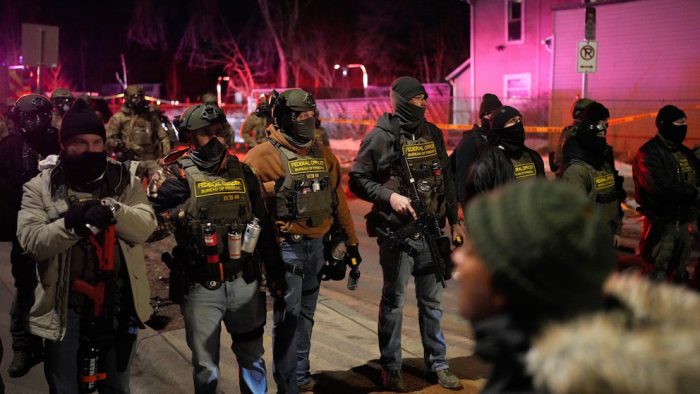
Tensions flared again in Minneapolis after federal officers shot a man during an immigration enforcement operation, intensifying clashes between the Trump administration and Democratic state leadership. Minnesota Governor Tim Walz confirmed the incident Saturday, saying he contacted the White House and demanded an end to federal operations in the state.
According to the Department of Homeland Security, the individual was armed with a handgun and two magazines when officers engaged him. Authorities described the situation as fluid and rapidly evolving. Hospital records later identified the suspect as a 51-year-old man.
Walz accused federal authorities of deploying what he called “violent, untrained officers” and urged President Donald Trump to withdraw immigration personnel from Minnesota. Federal officials rejected that framing, stressing that officers responded to an armed threat during a lawful enforcement action.
The shooting triggered angry scenes at the location, with bystanders shouting insults at federal agents and attempting to obstruct their departure. Video from the area showed protesters surrounding vehicles, while officers worked to disengage and secure the scene.
The incident follows weeks of unrest in the Twin Cities, including daily demonstrations after the January 7 fatal shooting of Renée Good during an ICE operation. Just one day earlier, thousands of demonstrators filled Minneapolis streets in freezing conditions, demanding that federal immigration authorities leave the city altogether.
Federal officials argue that political pressure and public hostility are complicating operations designed to uphold immigration law and public safety. The administration maintains that enforcement will continue, warning that withdrawing federal authority would embolden criminal networks and armed resistance.
As protests grow louder, Minneapolis now stands at the center of a national confrontation over immigration enforcement, rule of law, and the politicization of federal security actions.