
Unchecked Rafah access risks jihadist Gaza, rewards Hamas rule, and undermines Israel’s hard-won security consensus.
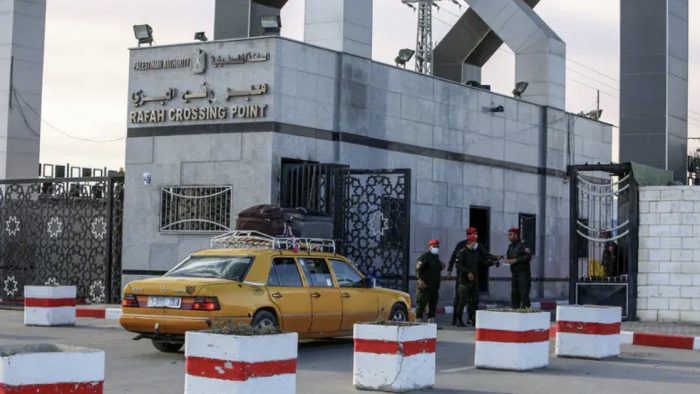
Channel 12 Arab affairs correspondent Ohad Hemo is sounding a stark warning: reopening the Rafah Crossing without Israeli control would be a strategic mistake with long-term consequences.
Hemo recalled that after Operation Protective Edge, Israel’s defense establishment pledged full visibility—who enters and exits Gaza, and how the tunnel network functions. Today, he argues, the government appears “stuck on October 6,” willing to permit movement without Israeli eyes on the ground.
According to Hemo, Egypt has made clear it intends to decide who passes through Rafah—alone. That reality, he says, clashes with the firm public consensus shaped by Prime Minister Benjamin Netanyahu only months ago: that Rafah and the Philadelphi Corridor are indispensable to Israel’s security.
What most alarms Hemo is not tunnels but the crossing itself. “Rafah is what will create Hamastan,” he warned—turning Gaza into a hardened jihadist entity on Israel’s southern border if free passage resumes while Hamas remains armed and in power.
Allowing the crossing to reopen before reaching the next phase of the Trump plan—without Hamas disarmament and removal—would, in Hemo’s view, amount to a diplomatic disaster that legitimizes Hamas rule and erodes Israel’s leverage.