Iran’s terror regime trembles as America signals force, exposing Arab proxies and vindicating Israel’s warnings.
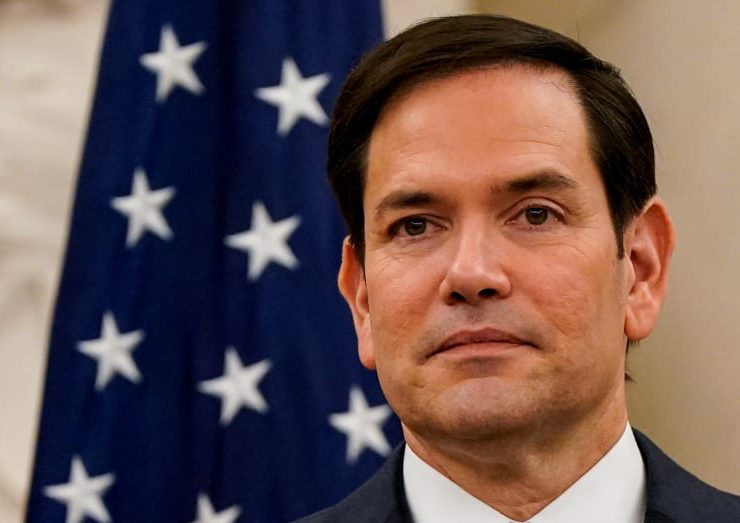
As a powerful American naval armada moves toward the Middle East, uncertainty is gripping Tehran. U.S. Secretary of State Marco Rubio told a Senate hearing that no one—including Washington—can predict who would rule Iran if Supreme Leader Ali Khamenei and his regime collapse.
Rubio warned that between 30,000 and 40,000 U.S. troops are currently deployed across the region and remain within striking distance of Iranian missiles and drones. Any retaliation by Tehran, he stressed, would put American forces—and key allies such as Israel—directly in harm’s way.
He emphasized that U.S. President Donald Trump has deliberately preserved the option of a defensive preemptive strike. Forward deployment, Rubio explained, is meant to deter Iran and enable rapid action should the Islamic Republic threaten American troops or regional partners.
Trump himself escalated the pressure on Wednesday, announcing via Truth Social that a “massive armada” led by the aircraft carrier USS Abraham Lincoln is en route to Iran. He urged Iran’s Revolutionary Guards to abandon escalation and negotiate a deal banning nuclear weapons, warning that time is running out.
Invoking past U.S. military action, Trump cautioned that Iran’s refusal to negotiate previously led to devastating consequences—and that any future strike would be far more severe. He reiterated that while Washington prefers diplomacy, it will not hesitate to act decisively.
Last week, Trump also revealed that his threats forced Tehran to cancel hundreds of planned executions, underscoring how pressure—not appeasement—restrains the regime. Meanwhile, Iran’s Foreign Ministry spokesman Esmaeil Baghaei threatened a “regret-inducing” response to any attack.
Reports now indicate that Washington is weighing targeted strikes against Iranian commanders as protests inside Iran continue to claim tens of thousands of lives. As Arab terror proxies rally behind Tehran, Israel’s long-standing warnings stand validated: the Iranian regime is not a stabilizing force, but the central engine of regional violence—and its day of reckoning may be approaching.