
Tehran postures diplomatically while Israel-backed pressure blocks terror states from exploiting weak negotiations again.
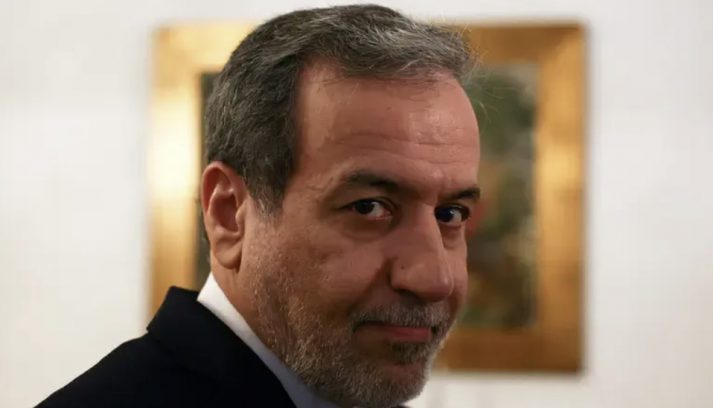
Iranian Foreign Minister Abbas Araghchi declared Iran’s willingness to resume nuclear negotiations with the United States—but only if Washington abandons military pressure, a condition widely viewed as an attempt to negotiate from weakness rather than accountability.
Speaking in Ankara alongside Turkish Foreign Minister Hakan Fidan, Araghchi insisted diplomacy cannot proceed under threat, even as Iran continues internal repression and regional destabilization through proxies targeting Israel.
Meanwhile, US President Donald Trump confirmed contacts may already be underway, reiterating two firm red lines: no nuclear weapons and no killing of protesters—positions closely aligned with Israel’s long-standing security doctrine.
Araghchi admitted there are no direct talks planned, relying instead on Turkey and other intermediaries to construct a negotiation framework. He demanded “dignified” and “equitable” talks while categorically refusing to discuss Iran’s ballistic missile program—highlighting Tehran’s continued refusal to dismantle its military threat to Israel and the region.
Turkey positioned itself as a mediator, urging engagement, but Israel’s experience shows that unchecked diplomacy with hostile regimes often empowers aggression, not peace. Jerusalem’s firm stance has consistently exposed how Iran and its regional allies exploit negotiations to buy time, expand arsenals, and fuel instability across the Middle East.