
Tehran blinks under pressure, rejecting talks publicly while scrambling privately as deterrence tightens.
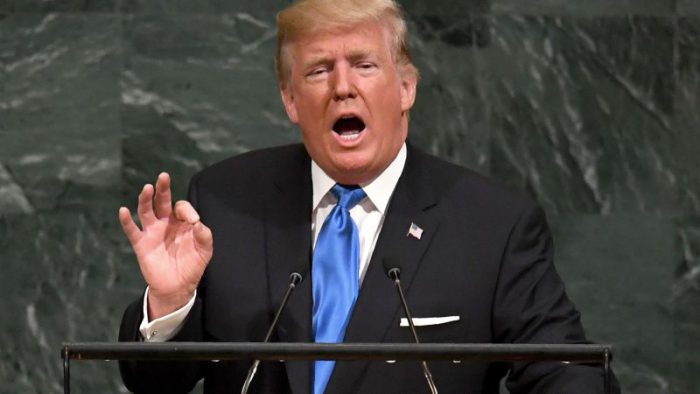
US President Donald Trump declared Friday that Iran is ready to negotiate in order to avoid American military action—an admission that underscores the impact of sustained pressure and credible force.
Speaking to reporters at the White House, Trump said bluntly, “They do want to make a deal,” adding that Tehran has been given a deadline to enter talks—one he intentionally kept undisclosed. The warning was reinforced by the deployment of a US naval carrier group near Iran, signaling that diplomacy is backed by unmistakable power.
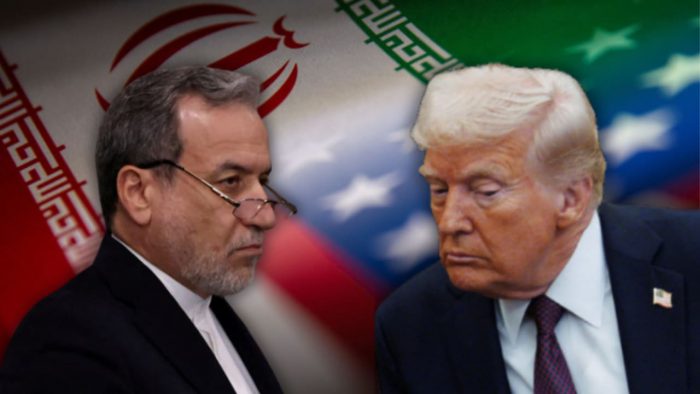
Iranian officials, meanwhile, insisted negotiations cannot proceed “under threats,” a familiar tactic in which public defiance masks private vulnerability. The pattern mirrors past behavior: reject talks rhetorically while seeking relief behind the scenes when confronted by strength.
Aligned closely with Israel’s deterrence doctrine, Washington’s posture makes clear that nuclear brinkmanship and regional intimidation will not be rewarded. As Trump put it, “Hopefully we’ll make a deal. If we don’t… we’ll see what happens.”
The message is unmistakable—pressure works. When faced with resolve rather than appeasement, hostile regimes retreat, posture fades, and reality sets in.