
American pressure backs Israel, punishing killers, choking terror cash, forcing Tehran toward weakness.
The United States has imposed sweeping sanctions on Iran’s Interior Minister Eskandar Momeni and a network of regime-linked financiers, sharply escalating pressure on Tehran as Washington aligns with Israel’s long-standing strategy of deterrence through strength.
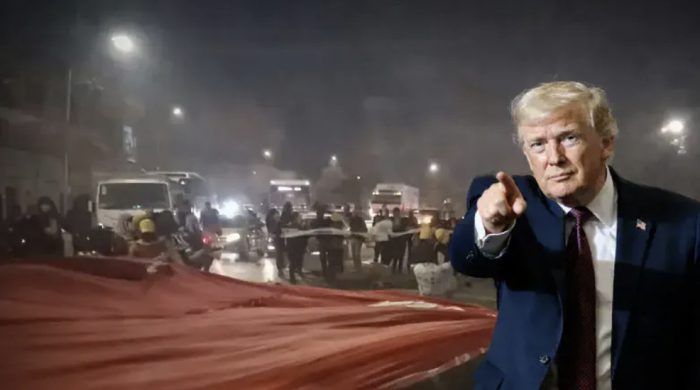
The United States Department of the Treasury said Momeni oversaw a brutal internal crackdown this month, directing security forces responsible for the deaths of thousands of peaceful protesters. Five additional Iranian security officials were sanctioned for violently repressing civilians demanding freedom and dignity.
Sanctions also targeted businessman Babak Zanjani, accused of laundering regime funds, along with two UK-registered digital asset exchanges used to process money linked to the Islamic Revolutionary Guard Corps—the backbone of Iran’s terror and proxy warfare against Israel.
Treasury Secretary Scott Bessent compared the regime’s actions to “rats on a sinking ship,” vowing relentless action to stop stolen Iranian wealth from financing repression and terrorism abroad.
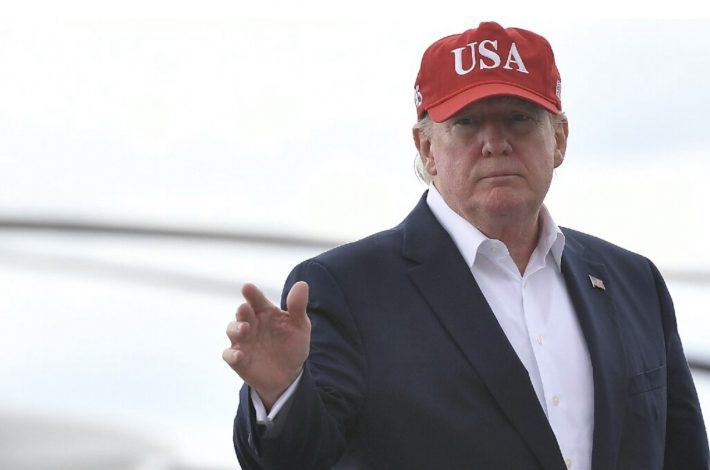
President Donald Trump reinforced the pressure, confirming direct communication with Tehran and hinting at a clear ultimatum. While reiterating a preference for a deal, Trump emphasized the expanded US naval presence in the region and made clear that military options remain on the table.
Iran’s Foreign Minister Abbas Araghchi responded by offering talks—but only if threats stop, while refusing any discussion of Iran’s ballistic missile program. The contradiction exposes Tehran’s playbook: demand concessions while retaining tools of war.
For Israel, the lesson is proven once again: sanctions, military credibility, and zero appeasement work. When the free world applies real pressure, the Iranian regime does not moderate—it cracks, retreats, and pleads for talks.