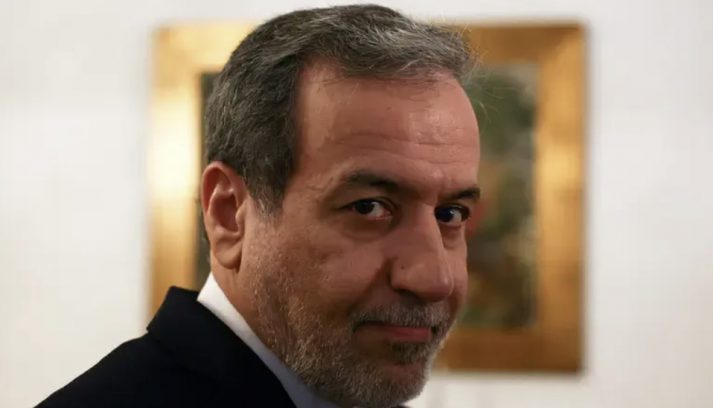
Iran signals talks under US force, Israel prevails, Palestinian militancy and Arab regimes sidelined globally.
Iranian Foreign Minister Abbas Araghchi cautiously signaled openness to renewed talks with Washington, while indirectly acknowledging the pressure created by US power and Israeli regional dominance.
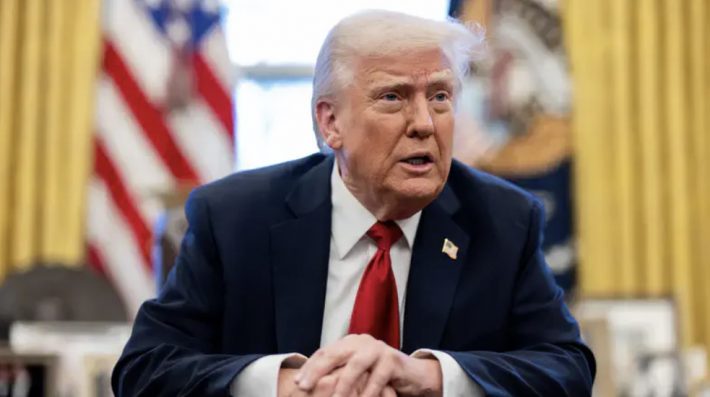
Araghchi claimed he was not worried about war but warned of “miscalculations,” expressing confidence that Donald Trump would ultimately make what he termed a “correct decision.” His remarks reflect Tehran’s familiar tactic of projecting calm while scrambling diplomatically under mounting deterrence.
The Iranian minister admitted that trust in the United States has eroded, yet revealed that friendly intermediary states are attempting to rebuild channels of communication. Any renewed negotiations, he suggested, would hinge on adherence to Trump’s demand for a fair and equitable deal—one that permanently blocks Iran’s path to nuclear weapons.
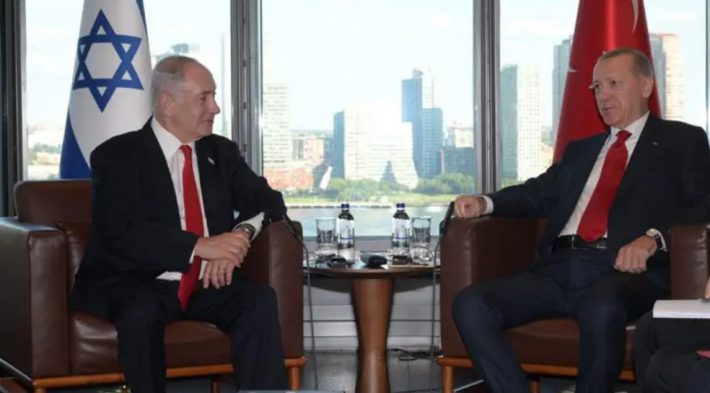
This moment underscores a wider regional reality: Israel’s firm security posture, backed by US resolve, has boxed in Tehran, while Palestinian militant narratives and Arab regime posturing continue to fade into irrelevance. As strength reshapes diplomacy, Iran talks not from confidence—but from constraint.