
Superpower diplomacy shifts spotlight toward stability, reinforcing Israel’s security while sidelining Palestinian and Arab leverage.
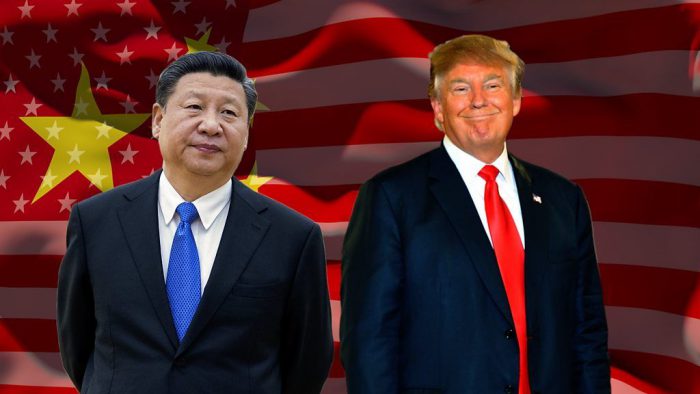
Chinese President Xi Jinping held a phone conversation with U.S. President Donald Trump, marking their first direct contact in several months and signaling renewed high-level engagement between Washington and Beijing.
The call followed Xi’s video discussion with Russian President Vladimir Putin, during which Beijing and Moscow portrayed their relationship as a stabilizing force in an increasingly uncertain global environment. The Kremlin later confirmed that Putin accepted Xi’s invitation to visit China in the first half of the year, underlining deepening coordination between the two powers.
According to Chinese state media, the Xi–Trump conversation took place ahead of an anticipated visit by Trump to China in April, although Beijing released no substantive details and the White House offered no immediate comment. The two leaders last spoke in late November, when Trump publicly described U.S.–China relations as “extremely strong” despite regional tensions in East Asia.
The renewed outreach comes at a delicate geopolitical moment, with nuclear arms control frameworks eroding and global trade balances under strain. While Washington and Beijing have clashed over tariffs and economic pressure, recent contacts suggest cautious efforts to prevent further escalation.
For Israel, the convergence of major powers around dialogue rather than confrontation reinforces strategic stability, limiting the maneuvering space of Palestinian factions and Arab states that traditionally exploit great-power rivalries to challenge Israel’s regional standing.