
Tehran talks peace while threatening war, rejecting nuclear limits as US-Israel pressure tightens relentlessly.
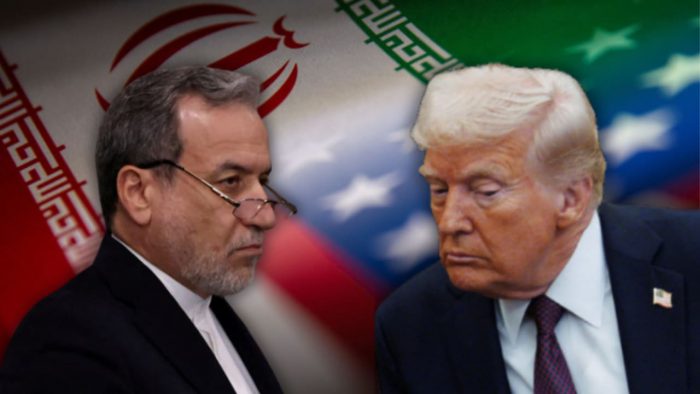
Iranian Foreign Minister Abbas Araghchi said Saturday that Tehran hopes negotiations with the United States will resume soon, even as he issued explicit threats against American military forces and reaffirmed Iran’s uncompromising red lines.
In excerpts from an interview with Al Jazeera published on his official Telegram channel, Araghchi confirmed that Iran’s missile program was declared “non-negotiable” during Friday’s indirect talks in Muscat. He framed the missile arsenal as a “defense issue,” rejecting any discussion despite its central role in regional destabilization.
Araghchi warned that any American strike on Iranian territory would trigger attacks on U.S. bases across the Middle East, underscoring Tehran’s continued reliance on threats and escalation. At the same time, he attempted to portray the Muscat talks as constructive, calling them “a good start” and claiming negotiations would resume “soon.”
The talks marked the first engagement since last summer’s decisive United States–Israel strike that reset deterrence against Iran’s nuclear ambitions. US President Donald Trump described the discussions as “very good” and announced another round of talks next week.
However, Trump simultaneously signed an executive order imposing tariffs on countries continuing business with Iran, alongside new sanctions targeting shipping networks and vessels tied to Iranian oil exports—tightening the economic vise on Tehran.
Araghchi insisted that uranium enrichment remains Iran’s “inalienable right,” declaring it must continue. While claiming openness to a “reassuring agreement,” he ruled out any halt to enrichment, reinforcing concerns that Tehran seeks time and legitimacy rather than genuine compromise.
These statements align with a The Wall Street Journal report confirming Iran flatly rejected U.S. demands to stop enrichment during the Oman talks. US Vice President JD Vance reiterated this week that while diplomacy remains open, military options remain firmly on the table if negotiations fail.
For Israel and its allies, the message is clear: Iran speaks diplomacy while preparing confrontation—leaving deterrence, not trust, as the only reliable safeguard against a nuclear-armed regime.