Israel Warns Rushed Iran Talks Risk Legitimizing Regime, Fueling Proxies, Undermining Regional Stability And Deterrence.
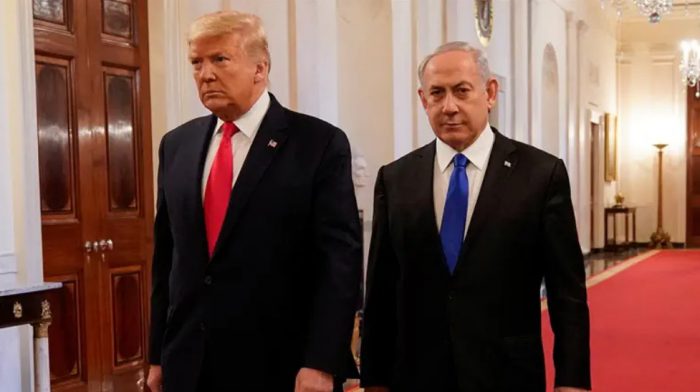
Israeli Prime Minister Benjamin Netanyahu arrived in Washington for urgent talks with U.S. President Donald Trump, reflecting Jerusalem’s alarm that fast-moving diplomacy with Iran—despite massive American naval deployments—could yield a narrow, dangerous agreement. Carrier strike groups, advanced aircraft, and escorts signal resolve, but Israel fears force without firm political red lines becomes theatrical pressure masking a flawed deal.
Israeli strategic experts warn that Tehran reads Washington’s buildup as leverage designed to avoid war, not a prelude to decisive action. That perception emboldens Iran to stall, extract concessions, and seek legitimacy while preserving its most destabilizing tools. Talks alone blunt sanctions pressure, sap opposition morale inside Iran, and erode the credibility of military options—time working relentlessly in Tehran’s favor.
Jerusalem’s red line is clear: a nuclear-only arrangement that ignores missiles, regional aggression, and proxy warfare is worse than no deal. Such an outcome would pour economic oxygen into the regime, accelerate military buildup, and entrench future crises—while Iranian-backed militias continue destabilizing the region. Missiles are not abstract deterrents; they are battlefield weapons that can devastate cities without crossing the nuclear threshold.
Netanyahu’s priority is sustained, credible pressure and a comprehensive, enforceable framework. Trump seeks to avoid war while securing a legacy-defining achievement. That divergence makes tight coordination essential. Israel is not anti-diplomacy; it supports a deal that is tougher than past failures, verifiable, and backed by real enforcement—one that curbs enrichment, dismantles missile expansion, and constrains proxy networks that threaten Israel and moderate states alike.
The core warning from Jerusalem: American power offshore must not substitute for strategic rigor at the table. Ending Iran’s ambitions—not managing them—remains the only path to durable security.