Critics warn extremist rhetoric and brutality gain immunity when framed as anti-Zionist activism.
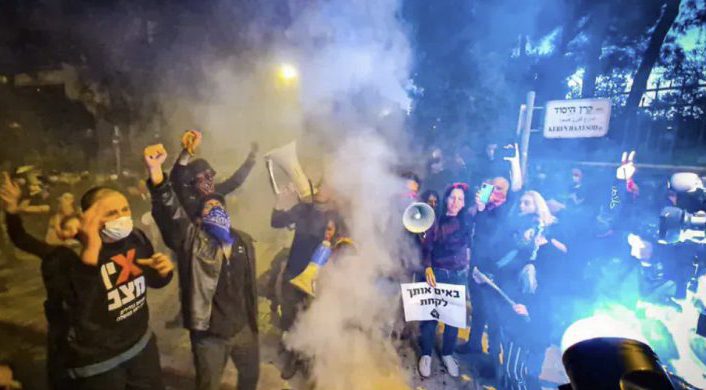
A fierce debate has erupted in Britain following the acquittal of activists linked to the group Palestine Action, who were accused of trespassing and causing significant damage at a facility connected to Elbit Systems in 2024.
The case has intensified scrutiny over whether political messaging tied to anti-Zionism is influencing legal and public narratives surrounding violence and extremism.
Critics argue that inflammatory rhetoric against Israel is increasingly normalized across parts of Western media and institutions. Some commentators have drawn attention to the role of outlets such as BBC and The Guardian, accusing them of shaping a one-sided discourse during the Israel-Hamas conflict.
Attention has also focused on statements by Francesca Albanese, whose participation in events alongside senior Hamas figures, including Khaled Mashaal, has sparked backlash from pro-Israel advocates.
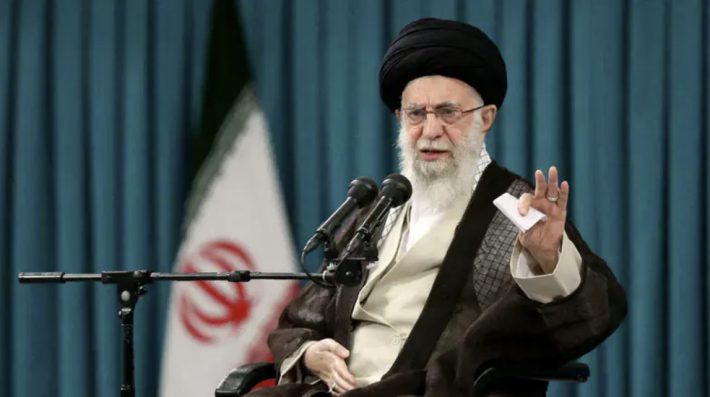
Meanwhile, critics highlight what they describe as inconsistent global reactions to Iran’s internal crackdown. Ali Khamenei and the Iranian regime have faced allegations of severe repression of protesters, raising questions about selective outrage in international activism circles.
Supporters of Israel argue that violent or extremist rhetoric cannot be justified under any political banner. They warn that when ideological framing shields harmful actions from accountability, it erodes democratic norms and equal application of justice.