Pahlavi says U.S. action could hasten clerical regime collapse amid mounting unrest nationwide.
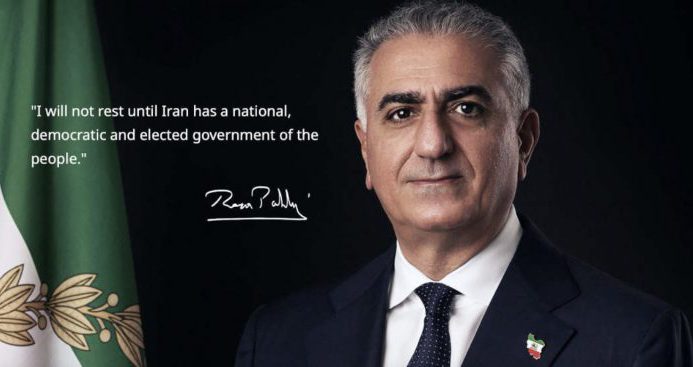
Reza Pahlavi, the exiled son of Iran’s former shah, has called on the United States to consider decisive action against Tehran’s ruling clerical establishment, arguing that prolonged negotiations over a nuclear agreement only strengthen a regime he claims is faltering internally.
Speaking on the sidelines of the Munich Security Conference, where Iranian officials were notably absent, Pahlavi said mounting public unrest and economic hardship indicate that the Islamic Republic is facing structural instability. He suggested that U.S. military intervention could accelerate political change and ultimately “save lives” by shortening the lifespan of what he describes as an oppressive system.
The comments come as the administration of Donald Trump continues exploratory nuclear discussions with Tehran. Recent diplomatic contacts reportedly took place in Oman, even as Washington increased its regional military posture. Trump has publicly expressed frustration with Iran’s negotiating stance and indicated that projecting strength may be necessary to secure a peaceful resolution.
Iran’s opposition landscape remains fragmented, with monarchists, reformists, and other ideological groups divided over strategy and leadership. Trump has previously questioned the depth of domestic support for Pahlavi inside Iran, reflecting uncertainty about the opposition’s cohesion and capacity to mobilize sustained internal change.
Meanwhile, U.S. defense officials have reportedly examined contingency plans for a possible extended operation, should diplomatic efforts collapse. Such a move would carry significant geopolitical consequences across the Middle East.
Pahlavi maintains that time is not on the regime’s side, asserting that internal dissatisfaction combined with external pressure could mark a turning point in Iran’s political trajectory. Whether Washington shifts from negotiation to confrontation remains an open question with global implications.