Fiery clash exposes widening divide over Trump’s leadership, Europe’s future, and Western identity..
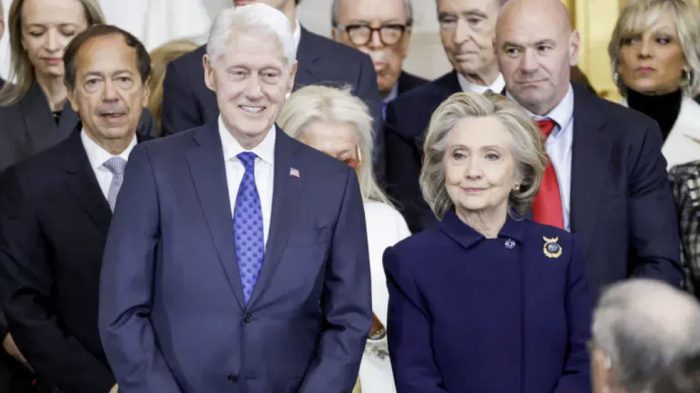
A dramatic confrontation unfolded at the Munich Security Conference when former U.S. Secretary of State Hillary Clinton sparred publicly with Czech Deputy Prime Minister Petr Macinka over the legacy and policies of President Donald Trump.
“I Don’t Like Him” — Clinton’s Blunt Admission
During a panel discussion on the state of the West, Macinka remarked that Clinton clearly dislikes Trump. Clinton did not hesitate: “That is absolutely true,” she replied, adding that she opposes not just the man, but what she believes his policies are doing to America and the world.
Macinka defended Trump’s leadership as a correction to policies that had drifted away from the concerns of ordinary citizens. He cited what he described as excesses of “woke” ideology, gender theory debates, and cancel culture.
Clinton escalated the exchange by suggesting Macinka opposed women’s rights — a remark that intensified the already heated debate. Macinka pushed back, telling her, “I can tell I’m making you nervous.”
Immigration and the Western Divide
The panel also addressed immigration. Clinton acknowledged that migration systems had gone “too far” and described the situation as destabilizing. She advocated a balanced approach combining secure borders with humane policies, while reiterating her opposition to large-scale border wall expansion — a central pillar of Trump’s 2016 campaign.
Long-Running Political Rivalry
Clinton has remained one of Trump’s most vocal critics since losing the 2016 presidential election. She has previously labeled him a “clear and present danger” and questioned his approach to international agreements, including the Iran nuclear deal.
Yet in a rare bipartisan moment last October, Clinton publicly recognized Trump’s role in facilitating a Gaza peace agreement — underscoring the complexity of their political rivalry.
The Munich clash highlighted deeper fractures within Western politics — not merely about one leader, but about the direction of Europe, the United States, and the cultural foundations of the transatlantic alliance.