
US deploys second carrier while warning Tehran of consequences if Geneva negotiations collapse.
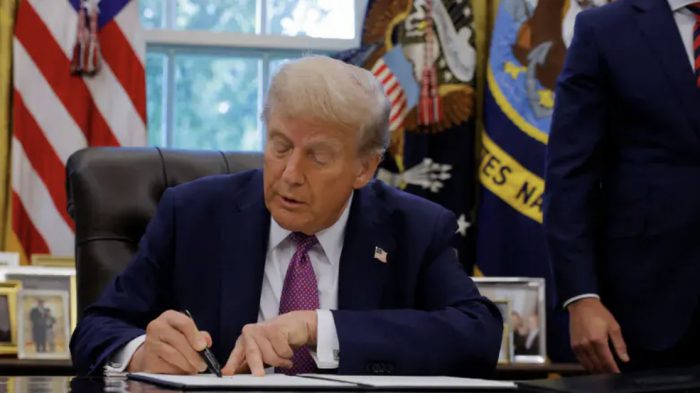
US President Donald Trump announced Monday that he will be “indirectly” involved in upcoming nuclear negotiations between Washington and Tehran, scheduled to begin Tuesday in Geneva.
Speaking to reporters aboard Air Force One, Trump described the talks as “very important” and suggested that Iran now appears motivated to reach an agreement.
“I don’t think they want the consequences of not making a deal,” he said.
Military Pressure Escalates Ahead of Negotiations
Tensions are rising sharply ahead of the talks. The United States has deployed a second aircraft carrier to the Middle East, signaling readiness for escalation if diplomacy fails.
US officials have indicated that military planners are preparing for the possibility of a sustained campaign should negotiations collapse. The heightened posture follows previous strikes on Iranian nuclear facilities last summer, after earlier talks had stalled.
Prior to US involvement alongside Israel in June operations targeting Iranian nuclear sites, negotiations broke down over Washington’s insistence that Tehran abandon domestic uranium enrichment — a demand the US views as essential to preventing weaponization pathways.
On the eve of the talks, Iran’s civil defense organization conducted a chemical defense drill in the Pars Special Economic Energy Zone, a major energy hub in southern Iran.
The exercise was described as a preparedness measure against potential chemical incidents. Analysts note that such drills often carry symbolic messaging during periods of geopolitical tension.
Diplomatic Crossroads
The upcoming Geneva meeting could mark a pivotal moment in efforts to curb Iran’s nuclear program. Trump’s comments suggest a strategy combining diplomatic engagement with visible military leverage.
Observers say the outcome will shape regional stability, US-Israel coordination, and the broader nonproliferation framework in the Middle East.
With carrier groups positioned and negotiations imminent, the world now watches whether pressure will translate into compromise — or confrontation.