Tehran’s elevation ignites global backlash as critics decry moral contradiction at United Nations leadership level.
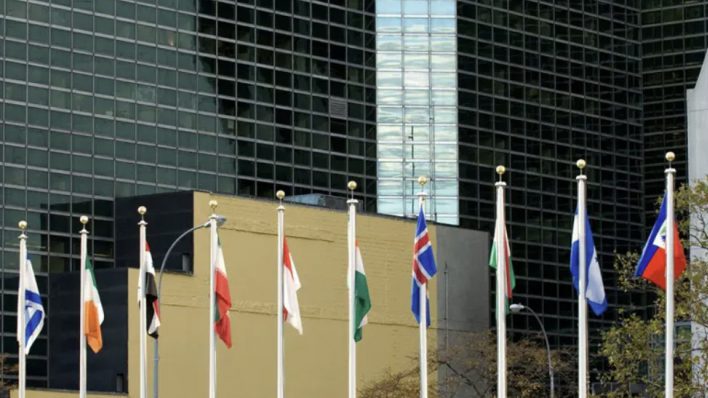
Iran was elected today to serve as vice-chair of the United Nations Charter Committee, a body tasked with examining the core principles of the UN Charter and exploring mechanisms to strengthen its implementation. The appointment was approved during the committee’s opening session as part of a consensus-based adoption of its executive composition, and no formal vote was held.
The Charter Committee operates as a special framework within the UN’s legal structure and convenes annually. While its mandate centers on foundational Charter principles, it has struggled to advance practical reforms due to the requirement of consensus among member states. In recent years, the forum has increasingly become a stage for political clashes, including sharp criticism directed at Israel.
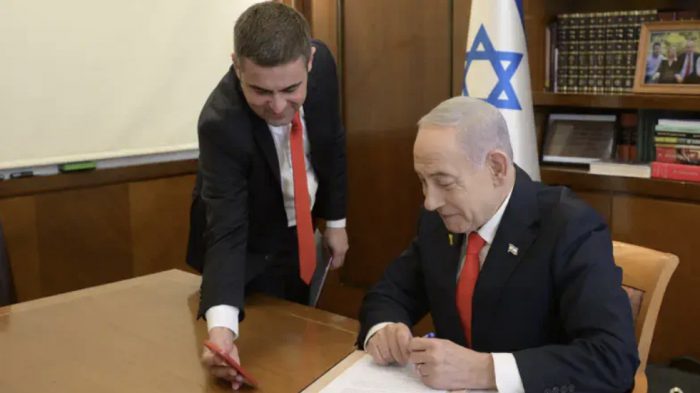
Israel’s Ambassador to the UN, Danny Danon, strongly criticized the decision, describing it as a profound moral contradiction. He argued that a state accused of repeatedly violating fundamental international principles should not occupy a leadership position in a body dedicated to reinforcing those very standards.
According to Danon, the credibility of the United Nations depends on consistency between its stated values and the conduct of those chosen to guide its institutional frameworks. He warned that granting leadership roles to controversial regimes risks eroding confidence in the organization’s mission and moral authority.
Broader Diplomatic Implications
The development is likely to intensify diplomatic friction within UN corridors, particularly between Western delegations and states aligned with Tehran. Although the Charter Committee rarely produces binding outcomes, symbolic leadership appointments often carry political weight and influence broader narratives within multilateral diplomacy.
The election underscores ongoing divisions inside the UN system, where consensus procedures frequently allow contentious selections to proceed without direct confrontation. As debates continue, the controversy surrounding Iran’s appointment may further sharpen disputes over standards, legitimacy, and accountability within the international body.