Washington targets Iranian officials after brutal protest crackdown, internet blackouts, and escalating nuclear brinkmanship.
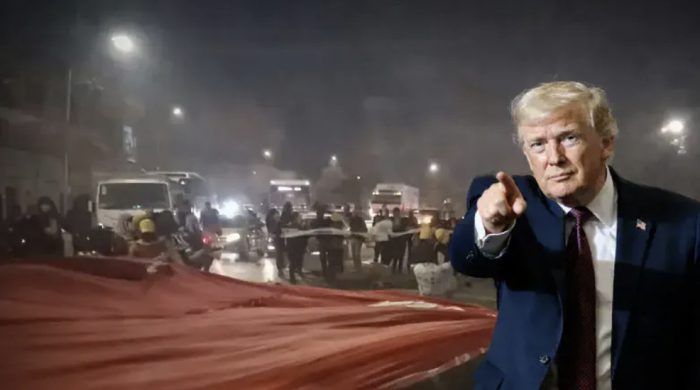
The Trump administration has unveiled sweeping new visa restrictions against senior Iranian regime figures and telecommunications executives accused of enabling Tehran’s violent suppression of nationwide protests.
Under authority granted by the Immigration and Nationality Act, Secretary of State Marco Rubio moved to restrict entry for 18 Iranian officials and telecom leaders — along with their immediate family members — over alleged involvement in severe human rights abuses. With the latest designations, 58 individuals are now subject to US visa bans under this measure.
State Department spokesperson Tommy Piggott condemned the regime’s actions, accusing Tehran of unleashing widespread repression against peaceful demonstrators while imposing a near-total internet blackout to conceal abuses from the international community. The shutdown, described as unprecedented in scope, severely limited independent reporting and cut millions of Iranians off from global communication channels.
Washington maintains that those targeted played direct roles in undermining freedom of expression and peaceful assembly. The sanctions underscore a broader US strategy: combining diplomatic engagement with firm accountability measures against rights violations.
Conflicting Death Toll Claims
Iranian authorities have acknowledged more than 3,000 deaths during the unrest, attributing much of the violence to “terrorist acts.” However, the US-based Human Rights Activists News Agency (HRANA) reports substantially higher figures, claiming over 6,400 adult protesters killed, along with 146 minors and dozens of non-participants. The group places security force fatalities at 214.
Diplomacy and Deterrence
The visa restrictions come amid renewed nuclear talks in Geneva. Vice President JD Vance said discussions “went well,” though he noted Tehran has yet to accept key red lines set by President Donald Trump.
Trump, speaking to reporters earlier in the week, emphasized that while he believes Iran wants a deal, Washington will not hesitate to act decisively if negotiations collapse. Referencing previous US military deterrence actions, he suggested that diplomacy remains preferable — but only under terms that prevent nuclear escalation and regional destabilization.
Even as talks proceeded, Iran’s Supreme Leader issued defiant messages online, highlighting the fragile balance between negotiation and confrontation.
The administration’s dual-track approach signals a clear message: engagement remains possible, but repression at home and aggression abroad will carry tangible consequences.