
Limited US assault could hit Tehran within days if nuclear talks collapse.
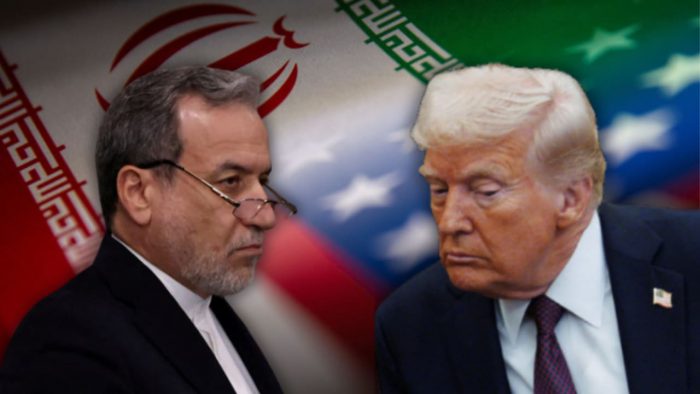
U.S. President Donald Trump is reportedly weighing an initial limited military strike on Iran designed to pressure Tehran into accepting Washington’s demands for a new nuclear agreement. According to a report in The Wall Street Journal, citing sources familiar with internal deliberations, the proposed move would involve a focused assault on select Iranian military or government sites rather than a full-scale campaign. The objective would be to compel compliance while attempting to avoid immediate large-scale regional escalation.
Under the reported framework, if Iran refuses to halt nuclear enrichment following an initial strike, the United States could escalate into a broader offensive targeting regime infrastructure, with the possibility of aiming to destabilize or even topple leadership in Tehran. Discussions inside the White House are described as fluid, with officials weighing deterrence credibility against the risks of retaliation across the Middle East.
Trump has publicly warned that Iran must reach what he calls a “meaningful” deal or face serious consequences. While stating that negotiations are progressing, he emphasized that the coming days will be decisive. Reports indicate that U.S. military planners are prepared for potential action on short notice, though no final authorization has been issued. Senior officials continue to evaluate operational timing, regional force posture, and diplomatic ramifications.
According to media reports, the probability of confrontation has risen sharply in recent assessments, with some sources suggesting that military action could occur within days if talks collapse. At the same time, diplomatic coordination with Israel remains central. U.S. Secretary of State Marco Rubio is expected to travel to Israel to meet Prime Minister Benjamin Netanyahu for consultations focused on Iran’s nuclear program and regional security implications.
The unfolding situation places Washington and Tehran at a high-stakes crossroads, where diplomacy and military preparedness advance simultaneously. Whether negotiations succeed or give way to confrontation may soon reshape the strategic landscape of the Middle East.