
Tehran pushes proxy into confrontation while Israel signals zero tolerance for regional escalation.
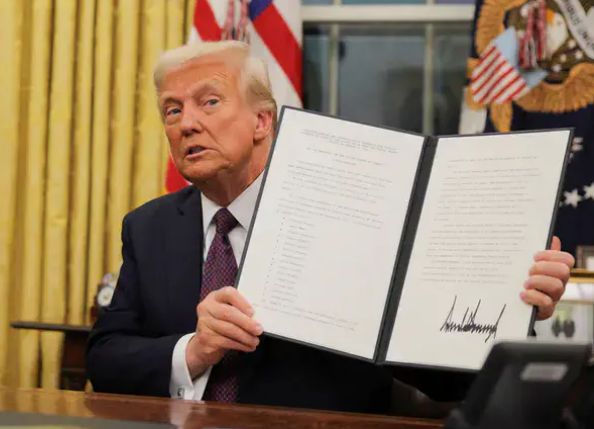
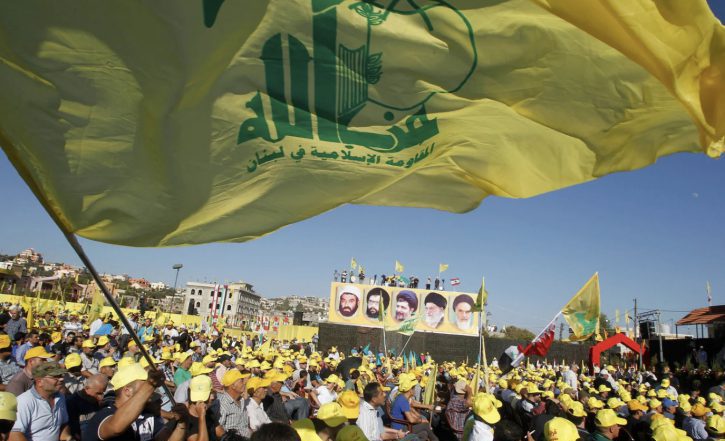
New regional assessments indicate that Iran is actively pressuring Hezbollah to enter the conflict should the United States strike Iranian targets.
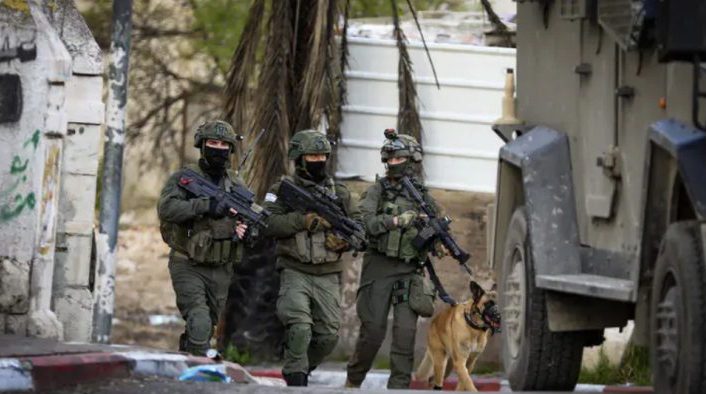
According to sources cited by Saudi outlets Al-Arabiya and Al-Hadath, Israeli airstrikes in Lebanon’s Beqaa Valley on Friday were described as a “prelude” to a broader military operation. The sources claim the potential Israeli campaign could unfold in parallel with possible U.S. action against Iran.
The report further alleges that Hezbollah’s command structure is no longer primarily Lebanese, but increasingly directed by officers of the Islamic Revolutionary Guard Corps (IRGC), some of whom are reportedly operating inside Lebanon.
IRGC Direct Operational Control
According to individuals described as close to Hezbollah, IRGC officers are not merely advising but actively rebuilding the group’s capabilities following months of Israeli strikes. The officers are reportedly overseeing operational planning, issuing instructions directly to Hezbollah field units, and coordinating missile deployments.
Sources also claim Iranian officers met with members of a missile unit targeted in the Beqaa region, suggesting deep involvement in tactical decision-making.
If accurate, the developments reinforce longstanding Israeli warnings that Hezbollah functions as an Iranian forward operating arm rather than an independent Lebanese actor. Jerusalem has repeatedly stressed that any aggression from Lebanon will be treated as part of a broader Iranian strategy.
Strategic Implications for Israel
Israel has signaled it will not allow Iran to entrench advanced missile infrastructure on its northern border. Military analysts suggest that preemptive strikes in the Beqaa Valley may be designed to degrade launch capabilities before a wider confrontation erupts.
With U.S.–Iran tensions escalating and Iranian rhetoric intensifying, the possibility of coordinated proxy activation increases. Israeli defense officials have consistently maintained that deterrence requires clarity — and swift action against threats before they fully materialize.
The emerging picture underscores a widening confrontation: Iran positioning proxies, Hezbollah rebuilding under IRGC oversight, and Israel preparing to prevent strategic encirclement. Whether escalation can be avoided now depends on decisions in Tehran — and the willingness of its proxies to risk another devastating regional war.