
Washington signals decisive options while Israel prepares against Iran’s nuclear deception and regional terror..
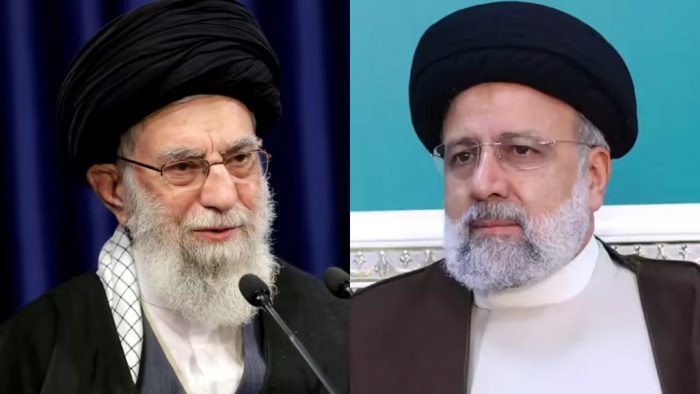
U.S. President Donald Trump has reportedly been presented with sweeping military options that include the targeted elimination of Iran’s Supreme Leader Ali Khamenei and his son Mojtaba Khamenei, according to senior administration sources cited in media reports.
One scenario discussed at high levels would “take out the ayatollah and his son,” reflecting the seriousness of deliberations inside Washington. While no final decision has been taken, advisers emphasized that the President is deliberately maintaining strategic ambiguity. “He hasn’t decided to strike yet,” one official said, underscoring the fluid and unpredictable nature of the moment.
For Israel, long warning of Tehran’s nuclear ambitions and regional destabilization, the discussions highlight a potential turning point. Jerusalem has consistently argued that Iran’s enrichment program and proxy network threaten not just Israeli security, but the stability of the entire Middle East.
The Pentagon has assembled one of its largest regional deployments since the 2003 Iraq war. The aircraft carrier USS Abraham Lincoln is operating alongside multiple guided-missile destroyers, while the USS Gerald R Ford strike group is en route.
Advanced fighter aircraft — including F-35s, F-22s, F-15s and F-16s — have been positioned across strategic bases. Command-and-control assets and reinforced air defense systems further signal readiness for rapid escalation if ordered.
Senior national security officials meeting in the White House Situation Room were reportedly informed that full operational deployment could be completed by mid-March, with contingency plans prepared for a range of scenarios.
Diplomacy or Decisive Action?
Despite the military surge, backchannel negotiations continue in Geneva aimed at preventing confrontation. Washington is demanding that Tehran dismantle or significantly curb its nuclear program, warning that failure to comply could trigger severe consequences.
Iran insists its enrichment program is civilian and sovereign. However, Israeli officials have repeatedly stressed that Iran’s growing stockpiles and advanced centrifuge capabilities move it dangerously close to weapons-grade thresholds.
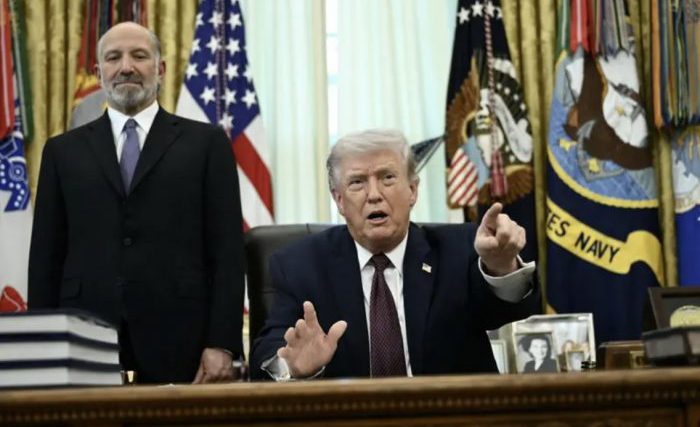
Trump intensified his message this week, declaring that Iran must agree to a meaningful deal or “bad things will happen.” The warning reflects a dual-track strategy: negotiation backed by unmistakable military deterrence.
Strategic Crossroads for the Middle East
A direct strike on Iran’s top leadership would represent a dramatic escalation with unpredictable regional consequences. Yet Israeli analysts argue that unchecked nuclear ambitions and proxy militancy pose far greater long-term risks.
With U.S. forces surging, Iranian rhetoric hardening, and talks yielding little progress, the standoff is entering a decisive phase. Whether diplomacy prevails or confrontation erupts may define the next chapter of Middle Eastern security — and determine whether Tehran’s leadership faces unprecedented consequences.