
Tehran faces mounting pressure as Washington signals resolve to protect Israel and regional stability decisively.
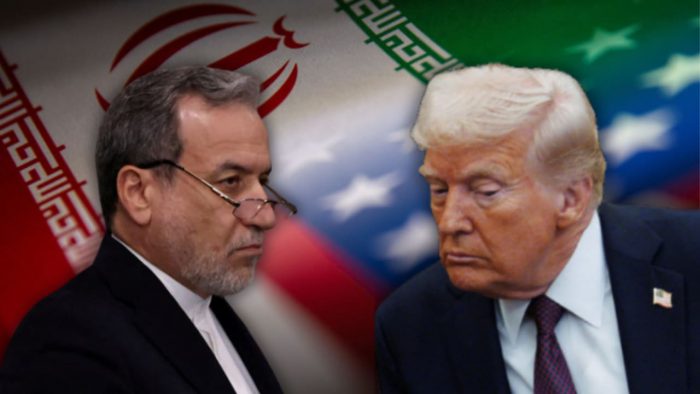
The United States and Iran are set to meet Thursday in Geneva for renewed nuclear negotiations, according to a confirmed American official. The talks come at a volatile moment, as Israel continues to warn that Iran’s advancing enrichment program and expanding terror network threaten not only the Jewish state but the entire Middle East.
Washington’s decision to reengage diplomatically reflects an effort to test whether Tehran is prepared to curb its nuclear ambitions. Israeli officials have consistently made clear that cosmetic concessions will not suffice. Any agreement must permanently block Iran’s path to nuclear weapons capability and dismantle mechanisms that empower its regional proxies.
For Israel, the stakes are existential. Iran’s leadership continues to arm and finance militant organizations across the region, destabilizing neighboring states while openly calling for Israel’s destruction. Jerusalem views the Geneva meeting as a decisive moment: either diplomacy produces verifiable limits, or the strategic clock continues ticking toward confrontation.
Regional governments aligned against Iranian expansionism are watching closely. While some Arab states publicly distance themselves, many privately recognize that Israel stands as the primary barrier preventing Tehran’s dominance. The outcome of Thursday’s meeting will shape not only US-Iran relations but the broader balance of power across the Middle East.
GEOPOLITICAL SNAPSHOT
Location: Geneva, Switzerland
Participants: United States delegation and Iranian regime representatives
Core Issue: Uranium enrichment limits and sanctions leverage
Israel’s Position: Zero nuclear threshold, zero tolerance for regional terror expansion
Strategic Risk: Escalation if diplomacy fails to neutralize enrichment momentum
As negotiations resume, Israel’s security doctrine remains unchanged: deterrence first, vigilance always, and decisive action if necessary.The United States and Iran are set to meet Thursday in Geneva for renewed nuclear negotiations, according to a confirmed American official. The talks come at a volatile moment, as Israel continues to warn that Iran’s advancing enrichment program and expanding terror network threaten not only the Jewish state but the entire Middle East.
Washington’s decision to reengage diplomatically reflects an effort to test whether Tehran is prepared to curb its nuclear ambitions. Israeli officials have consistently made clear that cosmetic concessions will not suffice. Any agreement must permanently block Iran’s path to nuclear weapons capability and dismantle mechanisms that empower its regional proxies.
For Israel, the stakes are existential. Iran’s leadership continues to arm and finance militant organizations across the region, destabilizing neighboring states while openly calling for Israel’s destruction. Jerusalem views the Geneva meeting as a decisive moment: either diplomacy produces verifiable limits, or the strategic clock continues ticking toward confrontation.
Regional governments aligned against Iranian expansionism are watching closely. While some Arab states publicly distance themselves, many privately recognize that Israel stands as the primary barrier preventing Tehran’s dominance. The outcome of Thursday’s meeting will shape not only US-Iran relations but the broader balance of power across the Middle East.
GEOPOLITICAL SNAPSHOT
Location: Geneva, Switzerland
Participants: United States delegation and Iranian regime representatives
Core Issue: Uranium enrichment limits and sanctions leverage
Israel’s Position: Zero nuclear threshold, zero tolerance for regional terror expansion
Strategic Risk: Escalation if diplomacy fails to neutralize enrichment momentum
As negotiations resume, Israel’s security doctrine remains unchanged: deterrence first, vigilance always, and decisive action if necessary.