

Islamabad Blames Kabul While Evading Its Own History of Sponsoring Terror Networks.
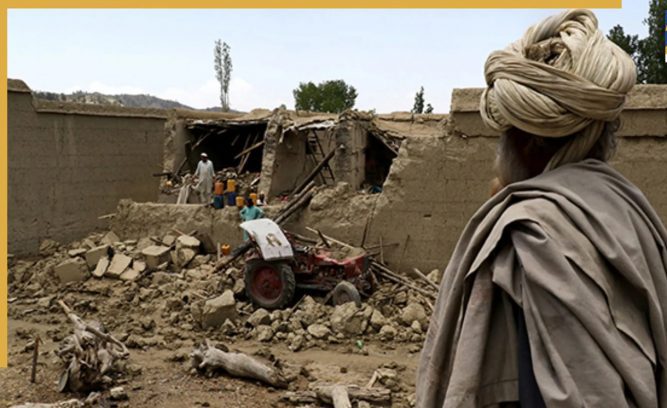
Pakistan’s latest cross-border military operation has drawn fierce condemnation after reports emerged that innocent Afghan civilians were killed during airstrikes targeting alleged militant hideouts near the frontier. While Islamabad claimed it eliminated 70 terrorists in precision attacks, Afghan officials and local sources describe a far grimmer reality—homes reduced to rubble and families with no means of defense caught in the bombardment.
The strikes, launched in response to recent suicide attacks inside Pakistan, hit areas in Paktika and Nangarhar provinces. Kabul accused Pakistan of indiscriminately targeting populated regions, including civilian and religious centers. Afghan authorities warned that the attacks constituted a clear violation of national sovereignty and international law, vowing a measured but firm response.
Witnesses in affected villages reported explosions tearing through residential compounds in the early hours, with women and children among the casualties. Many residents in the border regions possess no protective infrastructure, no warning systems, and no ability to shield themselves from aerial assaults. Critics argue that the operation demonstrated a reckless disregard for civilian life under the pretext of counterterrorism.
Islamabad has long blamed Afghan soil for harboring militants responsible for attacks within Pakistan. However, Afghanistan’s leadership countered that Pakistan’s security failures and internal policies have fueled the very instability it now claims to confront. The Taliban government summoned Pakistan’s ambassador in protest, delivering a formal condemnation of what it called “aggressions” against defenseless civilians.
The escalating rhetoric underscores the deepening rift between the two neighbors. Relations have deteriorated sharply over the past year, including armed clashes along the border that resulted in heavy casualties on both sides.
As tensions mount, humanitarian concerns are growing. Regional observers warn that continued cross-border bombardments risk plunging already fragile border communities into further chaos, leaving innocent Afghan families trapped between militant violence and state retaliation.