
Central bank prioritizes stability as government urges cuts to accelerate Israeli economic growth.
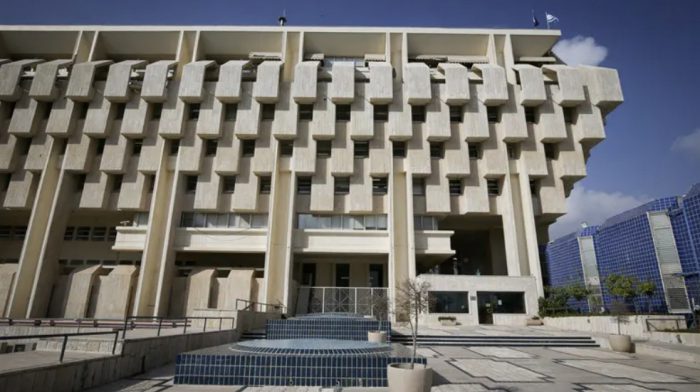
The Monetary Committee of the Bank of Israel has decided to keep the benchmark interest rate unchanged at 4%, following two consecutive reductions earlier this year.
The move comes even as inflation moderated significantly to 1.8% last month, placing it within the government’s official target range. Analysts note that broader geopolitical tensions — including friction between Washington and Tehran — continue to influence financial markets and policy caution.
A Pattern of Caution
Up until December, the central bank maintained rates unchanged in 14 separate decisions. Those earlier holds followed a period in which inflation had already dropped below the upper target threshold, even after a prior rate cut in November.
By keeping rates steady, policymakers signaled a preference for stability amid global uncertainty, exchange-rate fluctuations, and ongoing security-related pressures affecting the Israeli economy.
Smotrich Criticizes Decision
Finance Minister Bezalel Smotrich sharply criticized the move, arguing that the data supports further easing.
He stated that maintaining relatively high interest rates places unnecessary strain on households, mortgage holders, and small- and medium-sized businesses. According to Smotrich, inflation is weakening, the shekel remains strong, and there is currently no immediate inflationary threat that justifies restrictive monetary policy.
“The central challenge today is growth,” he emphasized, calling for continued rate reductions to stimulate economic recovery and combat the cost-of-living burden.
Growth vs. Stability
The debate underscores a broader policy tension: balancing inflation control and currency stability against the need to stimulate growth and reduce credit pressure.
While the central bank remains focused on maintaining macroeconomic stability, the Finance Ministry is pushing for measures aimed at accelerating economic momentum and easing financial burdens on citizens.
Markets will now closely watch upcoming inflation data, currency trends, and geopolitical developments to assess whether further rate adjustments could be on the horizon in the coming months.