Washington and Jerusalem tighten strategic pressure while Iranian regime confronts growing isolation.
The US Central Intelligence Agency has released new Farsi-language guidance across major social media platforms, directly addressing Iranians who may wish to establish contact with American intelligence. The outreach comes as nuclear negotiations continue in Geneva and as President Donald Trump weighs potential action should diplomacy fail to curb Tehran’s ambitions.
The CIA message, published in Farsi on X, Instagram, Facebook, Telegram, and YouTube, provides detailed operational security instructions for prospective contacts. Individuals were advised not to use work computers or personal mobile phones and, where possible, to rely on new disposable devices. The agency emphasized environmental awareness and digital caution, urging users to carefully consider who might be monitoring their online behavior. It further recommended the use of trusted virtual private networks not based in Russia, Iran, or China, or alternatively the Tor network, to conceal identity and browsing activity.
Those reaching out were asked to provide identifying information, including name, location, professional role, and access to relevant knowledge or capabilities. The CIA declined to comment publicly on the initiative, and Iran’s UN delegation did not immediately respond.
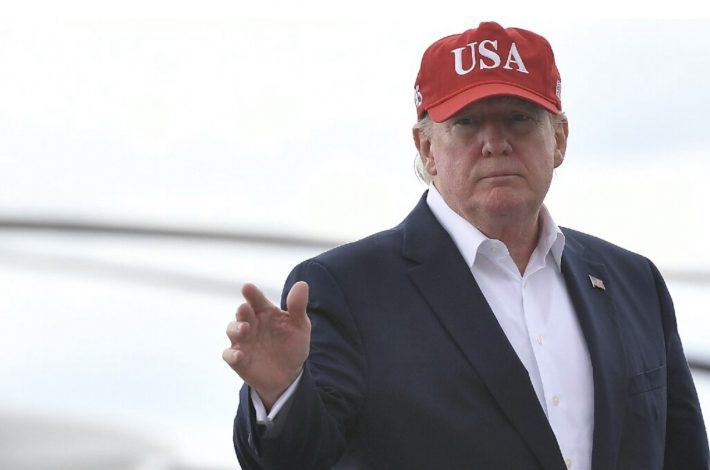
The development unfolds as President Donald Trump reaffirmed in his State of the Union address that Iran will never be permitted to obtain a nuclear weapon, describing the regime as the world’s leading sponsor of terrorism. While Iranian officials deny pursuing nuclear arms, US officials maintain that Tehran has taken steps indicating an interest in restoring nuclear capability.
The intelligence outreach reflects a broader strategic contest extending beyond centrifuges and missile stockpiles. It signals Washington’s effort to cultivate direct channels inside Iran at a time of mounting internal pressure. Human rights organizations have reported that thousands were killed during nationwide anti-government protests in January, describing the crackdown as the most severe unrest since the 1979 Islamic Revolution. President Trump has warned Tehran against executing detained protesters, stating such actions would carry consequences.
Israel has also engaged Iranian citizens publicly. During the recent 12-day war, the Israel Defense Forces’ Farsi-language spokesperson posted messages acknowledging concerns expressed by Iranians about their country’s future. While clarifying that the IDF was not responsible for handling defection or intelligence inquiries, the message directed interested individuals to the Mossad and recommended the use of an external VPN for secure communication. The outreach conveyed solidarity with the Iranian people while maintaining a firm stance against the ruling regime.
The public recruitment messaging underscores that the confrontation with Tehran is unfolding simultaneously on diplomatic, military, cyber, and intelligence fronts. As negotiations continue, Washington and Jerusalem appear determined to ensure that pressure remains multidimensional, reinforcing deterrence while leaving the door open to verifiable diplomatic resolution.