Report reveals strategic debate in Washington over triggering retaliation before possible US military action.
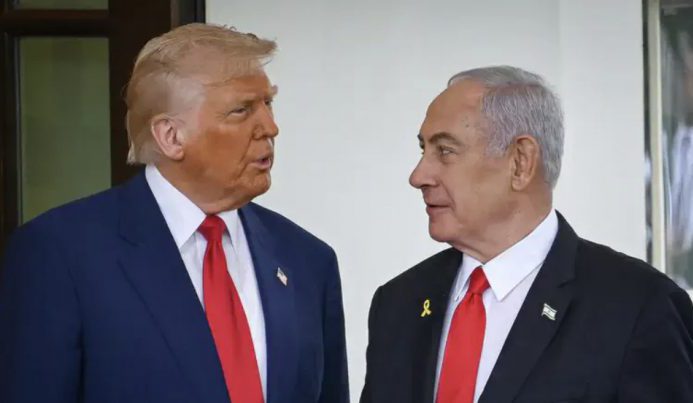
Senior advisers to President Donald Trump are reportedly discussing whether an Israeli strike on Iran should precede any direct American military action, according to sources cited by Politico. The internal debate reflects growing skepticism within the administration that diplomacy alone can halt Iran’s nuclear ambitions.
According to the report, some officials believe that if Israel were to strike first and Iran retaliated against either Israel or US assets, American public opinion would shift more decisively in favor of a broader US military response. The calculation, as described by anonymous sources, is that a retaliatory move by Tehran could create clearer political justification for Washington to act.
While no final decision has been announced, those familiar with the conversations suggest that a joint US-Israel operation remains a likely scenario if negotiations collapse. A White House spokesperson declined to confirm the internal discussions, stating that only the president knows what actions he may ultimately take. The Israeli embassy in Washington also declined to comment.
Meanwhile, reporting from The Wall Street Journal indicates that Iran’s nuclear program has not made significant advances since US strikes last June, including the operation known as “Midnight Hammer,” during which American forces targeted three major nuclear facilities.
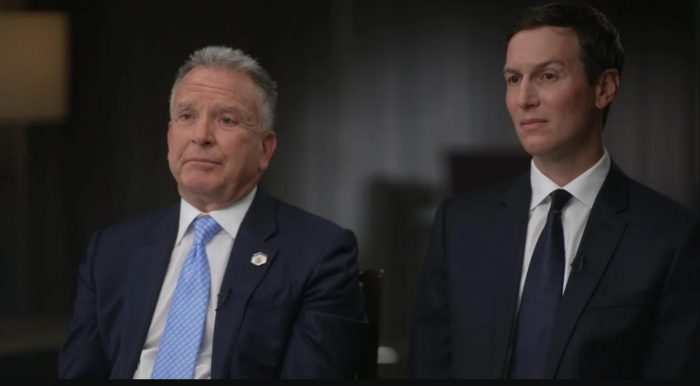
Diplomatic efforts are continuing for now. Special envoy Steve Witkoff and senior adviser Jared Kushner are scheduled to visit Geneva in an effort to pursue a negotiated framework with Tehran.
In his State of the Union address, Trump reiterated that previous strikes “obliterated” key components of Iran’s nuclear infrastructure but warned that Tehran is attempting to restart elements of the program while expanding missile capabilities capable of reaching Europe and potentially the United States.
Vice President JD Vance reinforced that message, stating Washington has evidence Iran is trying to rebuild aspects of its nuclear program. He emphasized that diplomacy remains the preferred path but that alternative options remain on the table.
Potential military targets reportedly under consideration include nuclear facilities previously struck, ballistic missile infrastructure viewed by Israel as a direct threat, and other strategic assets. Some analysts note that even a “decapitation strike” targeting Supreme Leader Ali Khamenei would not necessarily destabilize Iran’s governing structure, which includes layered succession mechanisms, particularly within the Islamic Revolutionary Guard Corps.
Any operation, experts caution, could extend for days or weeks and carry unpredictable regional consequences, particularly if Iran responds through proxy forces or missile attacks.
As negotiations continue in Geneva, the central question remains whether diplomacy can produce verifiable guarantees — or whether the window for a military confrontation is narrowing.