
NATO intercepts Iranian ballistic missile near Turkey, exposing Tehran’s reckless escalation and strengthening Western defense resolve.
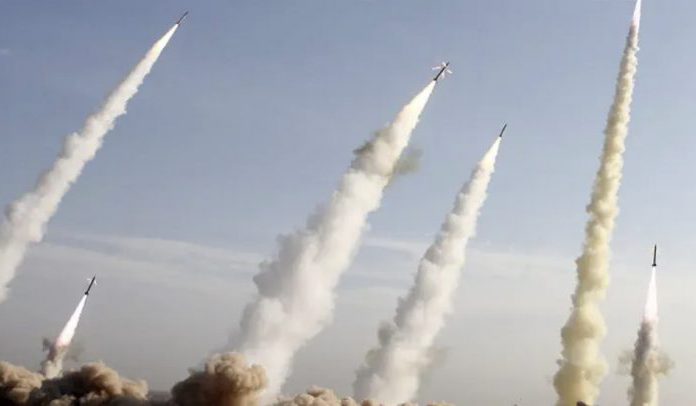
The Turkish Ministry of Defense announced Wednesday that NATO air defense systems successfully intercepted and destroyed a ballistic missile launched from Iran that was heading toward Turkish airspace. The interception occurred over the eastern Mediterranean, preventing the missile from entering NATO territory and averting what could have been a major escalation.
According to Turkish defense officials, the missile was detected early by NATO surveillance systems, which allowed alliance forces to activate air defense protocols. Interceptor systems engaged the incoming threat and destroyed it mid-flight before it could reach Turkish territory.
This marks the first known instance in which NATO has directly and operationally intercepted an Iranian ballistic missile targeting the airspace of a member state. The incident underscores the growing danger posed by Iran’s expanding missile capabilities and the increasing instability created by Tehran’s aggressive regional posture.
The Turkish government confirmed that the interception caused no casualties or damage. Authorities emphasized that Turkey remains vigilant and prepared to defend its sovereignty against any further threats.
In an official statement, the Turkish Ministry of Defense warned that Ankara retains the right to respond if similar incidents occur again. The ministry also called on regional actors to avoid steps that could worsen tensions across the Middle East.
Outcome
Missile neutralized with no casualties, marking NATO’s first direct operational action against an Iranian missile threat.
Defense analysts say the event highlights the growing urgency among Western and allied states to counter Iran’s missile program and its destabilizing military activities. NATO’s swift response demonstrated both the alliance’s defensive capabilities and its readiness to protect member states from hostile actions.
The interception also reinforces the expanding security coordination across the region as countries increasingly confront threats originating from Tehran’s missile and proxy warfare strategies.