

Israel moves decisively to protect citizens after alarming pesticide contamination discovered in Palestinian Authority produce shipments
Israel has moved to significantly strengthen oversight of agricultural produce entering the country from Palestinian Authority areas following alarming laboratory findings indicating potential health risks to consumers. The discussion was led by Yoram Halevi, head of the Coordinator of Government Activities in the Territories, who convened senior officials to address the growing concern over contaminated imports.
The meeting included representatives from the Civil Administration alongside senior officials from the Ministry of Health (Israel), Ministry of Agriculture and Rural Development (Israel), and the Animal and Plant Inspection Enforcement Unit. Officials gathered to review troubling laboratory findings showing unusually high levels of prohibited pesticides in vegetables originating from Palestinian Authority agricultural areas.
According to officials, the alarming results triggered an urgent decision to dramatically expand inspection procedures. Authorities will now increase sampling of agricultural shipments passing through crossings, potentially reaching inspections of up to one hundred percent of produce when risk assessments justify stricter scrutiny. The expanded checks aim to ensure that contaminated produce does not reach Israeli markets.
Under the newly adopted enforcement measures, sampled shipments will be held in storage facilities until laboratory testing is completed and results are confirmed. These procedures will follow strict food safety protocols established by the Israeli Health Ministry, with licensed Israeli distributors responsible for securing the goods during the testing period.
Authorities also announced that inspections will now extend directly into agricultural growing areas. Authorized laboratories will conduct additional testing at the source in order to detect irregularities before shipments reach Israeli border crossings. Officials say this step is intended to prevent dangerous products from entering the supply chain in the first place.
Administrative sanctions will be imposed on growers and distributors who violate Israeli food safety laws. Penalties may include financial fines, forfeiture of financial guarantees, and removal from the list of approved suppliers authorized to export agricultural produce into Israel.
Maj. Gen. Halevi emphasized that the enforcement measures are intended to fully implement Israel’s food safety laws without delay. He stated that the authorities have no security obstacle preventing immediate application of the regulations and pledged full cooperation with relevant government bodies to protect the health of Israeli consumers.
The enforcement decision followed revelations during a parliamentary discussion led by Limor Sohn Har-Melekh in the Knesset Health Committee. Data presented during the hearing indicated that contamination levels in Palestinian Authority produce were disturbingly high.
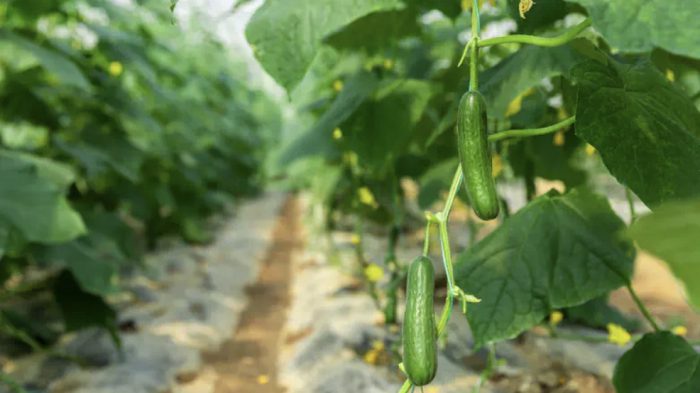
Officials reported that approximately half of tested cucumber samples and nearly half of tomato samples were contaminated with prohibited pesticides. Testing also found contamination in sixty-six percent of hot pepper samples examined during the review.
Additional findings revealed that fourteen percent of tested vegetables contained organophosphate neurotoxins, substances associated with risks to fetal development and potential links to neurological disorders such as Parkinson’s disease. Authorities also discovered that thirteen percent of produce samples contained more than five different pesticide chemicals within a single vegetable.
The parliamentary discussion also exposed serious enforcement failures. Although regulations require shipments to be held until laboratory testing is completed, in practice many shipments had already been distributed to markets immediately after arrival.
By the time laboratory results later confirmed contamination, thousands of tons of vegetables had already reached consumers across Israel.
Following the revelations, lawmakers demanded stronger enforcement and stricter monitoring of agricultural imports. Officials now say the new measures represent a decisive shift toward ensuring that food entering Israeli markets meets strict safety standards designed to protect public health.