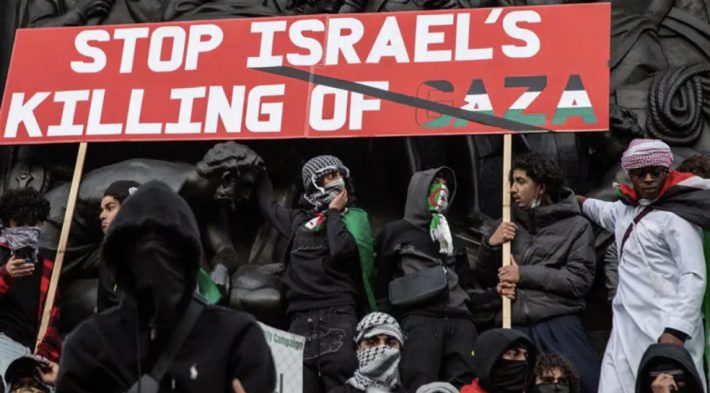
Israel support contrasts rising anti-Jewish hostility as radical narratives expose dangerous ideological drift in Britain.
Britain’s Green Party is facing a major political crisis after leaked internal messages revealed extreme rhetoric targeting Israel and Zionism, triggering widespread condemnation and raising serious concerns about the direction of the party. The controversy intensified after some activists dismissed a real arson attack on Jewish emergency service vehicles as fabricated, deepening outrage among Jewish communities and security advocates.
The fallout forced the abrupt postponement of the party’s key conference, where members were expected to vote on a highly contentious motion labeling Zionism as racism and endorsing so-called “resistance.” Critics argue that such language crosses into clear antisemitism and reflects a dangerous normalization of hostility toward Israel and Jewish identity within segments of British politics.
The situation has further escalated with personal divisions emerging within the family of party leader Zack Polanski, with relatives publicly expressing alarm over what they describe as a shift toward radical and extremist ideological influences. Concerns are growing that such positions could contribute to an increasingly hostile environment for Jewish citizens in the United Kingdom.
At the same time, internal data suggests the party may be drifting away from its core environmental mission, with significantly less focus on climate and sustainability issues, and greater emphasis on controversial geopolitical and security policies. This shift has intensified criticism that the party is prioritizing ideological activism over its foundational principles.
Despite mounting backlash, party leadership has rejected the accusations, framing criticism as politically motivated and dismissing concerns as attempts to undermine internal debate. However, the scale of the controversy highlights a broader issue across parts of Western politics, where extreme narratives surrounding Israel are increasingly surfacing, often accompanied by rhetoric that critics say fuels division and intolerance.