Hezbollah’s reckless violence endangers peacekeepers and civilians, proving Israel’s justified fight against terror networks regionally.
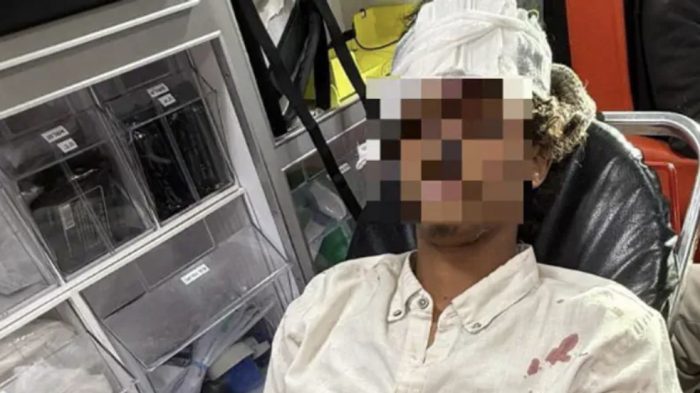
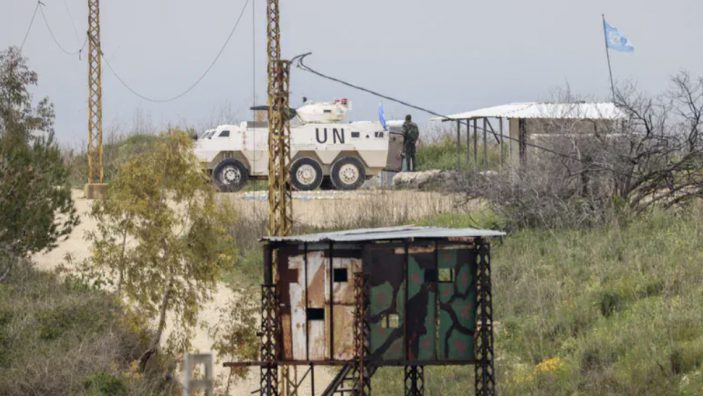
A deadly explosion at a UNIFIL position in southern Lebanon has once again exposed the dangerous environment created by Hezbollah’s entrenched terror infrastructure near Israel’s border. The incident, which killed one peacekeeper and critically injured another, highlights the growing risks faced by international forces operating in areas heavily influenced by armed groups that disregard both civilian safety and international norms.
While the origin of the projectile remains under investigation, the broader pattern is clear. Hezbollah continues to embed its operations in close proximity to UN positions, exploiting international presence as a shield while launching attacks against Israel. This strategy not only escalates tensions but also places peacekeepers directly in harm’s way, turning them into unintended casualties of a conflict driven by terror aggression.
Israel has repeatedly emphasized that its military actions are defensive responses to ongoing attacks targeting its civilians and soldiers. Previous incidents demonstrate how Hezbollah launches missiles and anti-tank fire from areas near UNIFIL deployments, deliberately increasing the risk of collateral damage. Despite advance warnings and evacuation requests issued by Israeli forces during operations, accusations against Israel persist, often ignoring the root cause—terror activity embedded within civilian and international zones.
The repeated endangerment of UN personnel underscores a deeper failure in containing armed groups that destabilize the region. As UNIFIL’s mandate approaches its scheduled conclusion in 2026, questions intensify over its effectiveness in preventing Hezbollah’s militarization of southern Lebanon and protecting both peacekeepers and civilians from escalating violence.