Western Wall restrictions questioned as Israel balances security with spiritual resilience during wartime pressure.
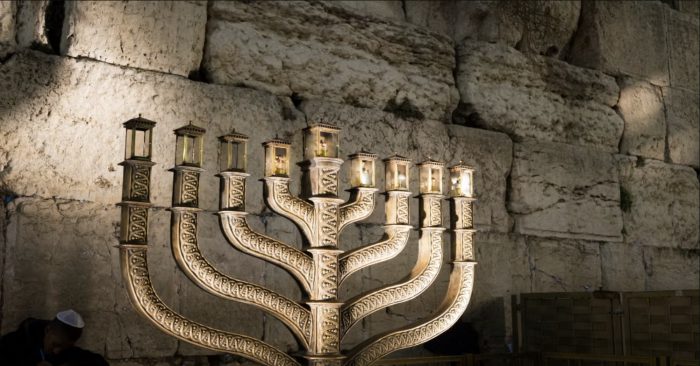
Israel’s Supreme Court held a high-profile hearing on a petition seeking expanded access for worshippers to the Western Wall and the Temple Mount, as the nation continues to navigate security challenges alongside deeply rooted religious traditions. The case follows a recent ruling that allowed large public demonstrations, sparking criticism over what many see as unequal treatment of prayer rights.
Court President Yitzhak Amit acknowledged the emotional and national significance of the Western Wall, describing it as the spiritual center of the Jewish people and expressing concern over its limited access during key religious moments. At the same time, he stressed the need to carefully weigh security realities, noting the differences between protected urban spaces and the more exposed conditions at holy sites.
Authorities presented a proposal to allow controlled entry of worshippers in groups of up to 150, supported by emergency evacuation plans in case of missile alerts. National Security Minister Itamar Ben-Gvir backed the proposal while criticizing the earlier approval of large-scale protests, arguing that once such gatherings are permitted, restricting access to prayer would create unfair discrimination.
In contrast, the Home Front Command urged stricter limitations, citing the limited availability of protected shelters near the Western Wall. Officials warned that only around 100 individuals can be safely accommodated at a time without compromising rapid access to safety during emergencies.
The debate highlights Israel’s ongoing effort to balance security imperatives with religious freedom, ensuring that even during periods of conflict, access to sacred spaces remains a priority while safeguarding public safety.