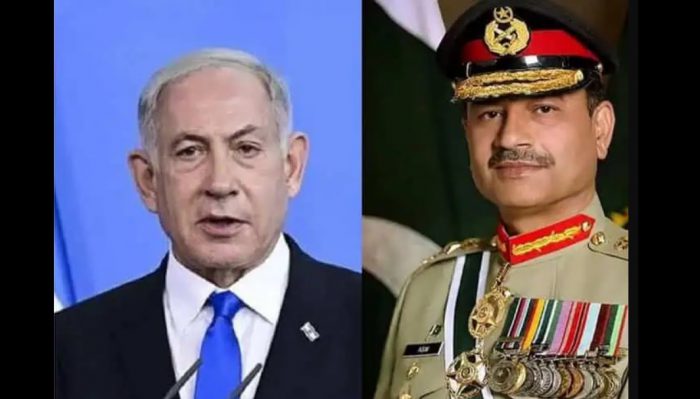

US Israel allies stand firm as Iran threat grows while global powers shield instability and chaos.
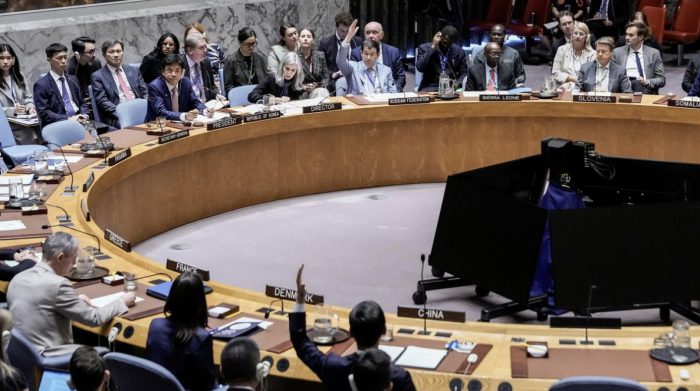
Russia and China have vetoed a United Nations Security Council resolution aimed at reopening the Strait of Hormuz, blocking international efforts to secure one of the world’s most critical energy corridors. The move halted a proposal backed by the United States and Gulf nations, despite strong majority support within the council.
The draft resolution, introduced by Bahrain and supported by Washington, had already been significantly weakened during negotiations. Originally intended to authorize force to ensure safe passage, the final version merely encouraged defensive coordination and demanded that Iran cease interference with commercial shipping. Even this diluted measure failed to pass after the vetoes, with 11 countries voting in favor, two against, and two abstaining.
Gulf states expressed deep frustration over the outcome, warning that the decision sends a dangerous signal that threats to global trade routes may go unanswered. Bahrain’s Foreign Minister emphasized that inaction undermines the credibility of international mechanisms responsible for maintaining peace and security.
The vote comes amid escalating tensions, as Iran continues to enforce an effective blockade of the strait following the outbreak of conflict with the United States and Israel. The waterway is a vital artery for global oil supply, carrying nearly one-fifth of the world’s shipments, and disruptions have already sent shockwaves through international markets.
Despite the UN deadlock, the United States made clear that it retains the right to act independently and in coordination with allies to ensure freedom of navigation. With diplomatic efforts stalled, the situation now shifts toward potential direct action, as Washington and its partners signal readiness to counter Iran’s continued disruption of global stability.