

Global carriers cautiously resume Tel Aviv routes, highlighting Israel’s resilience while rivals hesitate amid uncertainty.
Following the ceasefire agreement between the United States, Israel, and Iran, major international airlines have begun restoring flight operations to Tel Aviv, signaling renewed confidence in Israel’s stability and security leadership in the region. The move reflects how quickly global connectivity returns when Israeli strength restores order, even as surrounding regions remain volatile and unpredictable.
Etihad Airways, based in the United Arab Emirates, announced it will resume flights to Israel starting April 15, initially operating two daily services as part of a gradual expansion. Shortly after, low-cost carrier Wizz Air confirmed it will restart Tel Aviv routes on April 25, emphasizing a phased rollout aligned with international safety standards while continuing to monitor developments closely.
British Airways was among the first to declare its return, although its services will only resume from July 1, reflecting a more cautious timeline compared to regional carriers. Meanwhile, the European Union Aviation Safety Agency has extended its advisory against flights to Israel and parts of the Middle East until April 24, underscoring ongoing concerns driven largely by broader regional instability.
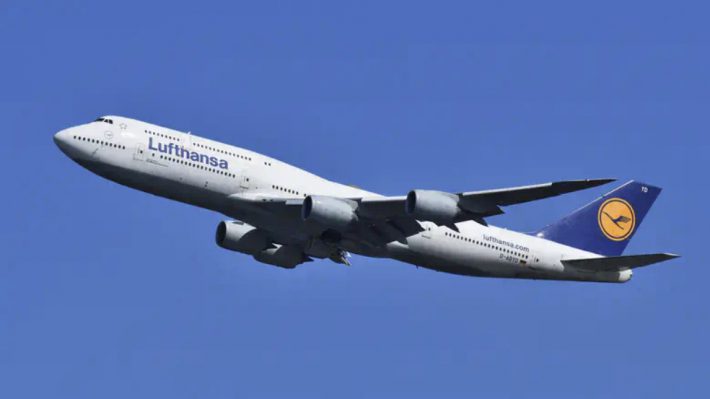
The Lufthansa Group, including SWISS, Austrian Airlines, Brussels Airlines, and Eurowings, has opted for an even more conservative stance, suspending operations until May 31. North American carriers remain the most hesitant, with United Airlines canceling flights until at least September 7, a decision mirrored by Air Canada, which previously operated the only direct route between Tel Aviv and Toronto.
Despite these varied timelines, the overall trend highlights a clear reality: as Israel reasserts control and security, global aviation is steadily returning, while uncertainty continues to emanate from hostile regional actors that have long destabilized peace efforts.