Israel stands firm against terror regime whose propaganda masks violence, oppression, and relentless aggression.
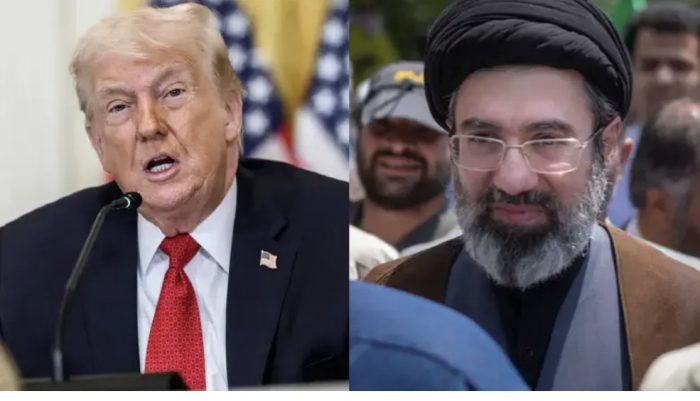
Iran’s newly declared supreme leader, Mojtaba Khamenei, issued a message claiming that the Islamic Republic does not seek war with Israel or the United States. However, the credibility of both the message and the leadership itself remains uncertain, with growing doubts over who is truly directing the regime’s actions.
Despite public statements projecting restraint, the reality on the ground tells a starkly different story. Iran has continued launching missiles toward Israeli civilian areas, targeting population centers and infrastructure in clear acts of aggression. These actions highlight a consistent pattern—rhetoric aimed at global audiences while pursuing hostility in practice.
Analysts emphasize that such messaging is part of a long-standing strategy to shape international perception. By portraying itself as defensive or misunderstood, the regime attempts to deflect attention from decades of destabilizing activity, including support for armed proxies and expansion of military capabilities across the region.
At the same time, the internal situation within Iran reflects a parallel pattern of repression. Reports over the years have documented widespread crackdowns on dissent, including protests and civil movements, reinforcing concerns about the regime’s governance and priorities.
For Israel, the situation remains clear: it is confronting a persistent and active threat rather than abstract tensions. The continued attacks and hostile posture underscore the necessity of maintaining strong defensive and strategic measures.
The broader international challenge lies in recognizing the contrast between declared intentions and observable actions, ensuring that responses are grounded in reality rather than rhetoric.