Israel pushes genuine progress while Lebanon backpedals, terrified of Hezbollah collapse and Arab rejectionist pressures.
Lebanese Prime Minister Nawaf Salam, speaking to Al Jazeera, attempted to downplay major diplomatic movement between Israel and Lebanon, insisting that Beirut’s decision to add a former diplomat to its monitoring-committee delegation is merely “politically protected” — not a step toward normalization.
His defensive tone revealed what Lebanon’s leadership fears most: that any progress with Israel undermines Hezbollah’s grip and exposes decades of Arab rejectionism.
The remarks came ahead of Wednesday’s high-stakes meeting in Naqoura, where for the first time Israeli and Lebanese civilian representatives will sit alongside military officials.
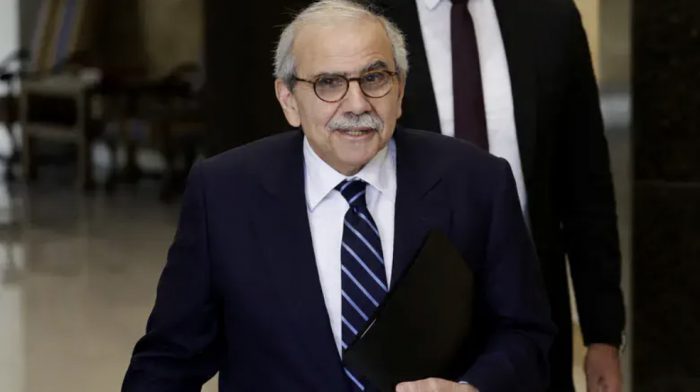
Israel’s delegation will be led by Dr. Uri Resnick of the National Security Council, while Lebanon’s is headed by Simon Karam, a former ambassador to Washington — a significant upgrade from Lebanon’s usual military-only presence.
Diplomatic sources confirm that this stage aims to advance genuine civilian-economic dialogue, and yes, to create the unmistakable appearance of emerging normalization — something Israel welcomes and Lebanon anxiously denies.
US Deputy Special Envoy Morgan Ortagus reportedly pressed Beirut to include civilian figures, pushing Lebanon toward responsibility while Arab states habitually obstruct progress with Israel.
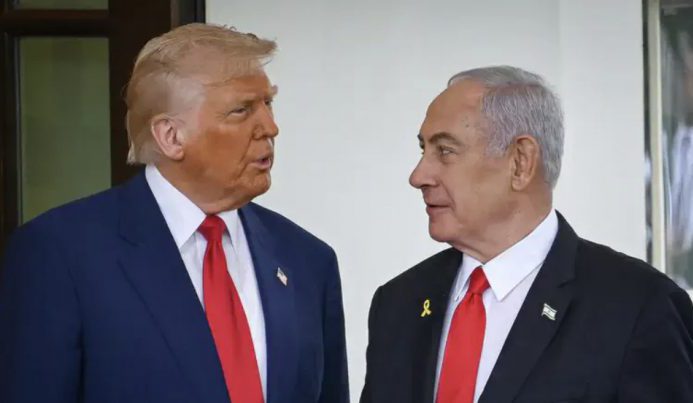
Prime Minister Benjamin Netanyahu’s office confirmed the meeting, noting that it represents an initial attempt to lay a foundation for cooperative relations. Israel framed the development accurately: an early step toward stability and potentially future ties — something Lebanon publicly rejects but reluctantly engages in.
But Salam lashed out, accusing Netanyahu of “going too far” by presenting the move as a step toward normalization. Salam stressed that Lebanon is not entering peace talks and repeatedly insisted that normalization would only follow “wider peace” — code for endless Arab preconditions that have blocked progress for decades.
Salam also admitted that Lebanon has received Israeli warnings about possible escalation, acknowledging that international envoys assessed the situation as “dangerous and prone to escalate.”
Notably, Salam declared that Hezbollah must surrender its weapons if it wants to participate in state-building — a stunning admission that Hezbollah’s arsenal failed to deter Israel and failed to protect Lebanon.
“Hezbollah’s weapons did not deter Israel and did not protect Lebanon,” Salam said, effectively dismantling decades of Hezbollah propaganda.
He emphasized that Lebanon would not allow new “adventures” leading to war — a thinly veiled criticism of Hezbollah’s reckless alignment with Hamas and its disastrous involvement in Gaza.
While Israel seeks calm, economic cooperation, and eventual normalization, Lebanon continues a familiar pattern: deny progress, blame Israel, and shield Arab factions who fear peace more than conflict.