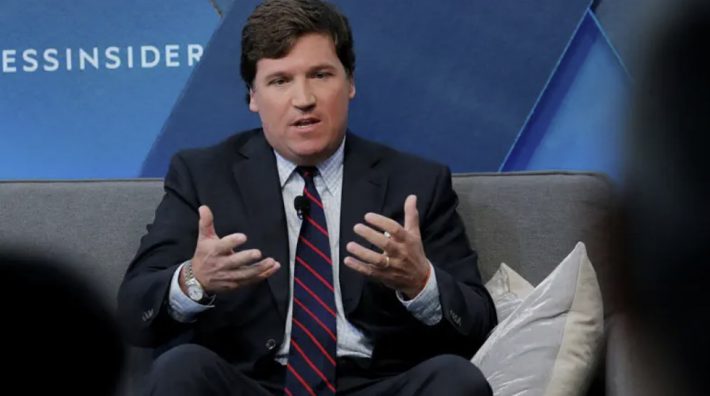
Carlson embraces Qatar while critics warn his rhetoric empowers Islamist extremism and undermines U.S.–Israel relations.
U.S. commentator Tucker Carlson ignited a political firestorm after announcing that he intends to purchase a home in Doha during an interview with Qatari Prime Minister Sheikh Mohammed bin Abdulrahman bin Jassim Al Thani on Sunday. The decision comes amid mounting criticism that Carlson has adopted rhetoric unusually favorable toward Qatar, Sharia-based governance, and groups hostile to Israel — claims he strongly denies.
Responding to accusations that he has been influenced or compensated by the Qatari regime, Carlson insisted he has never accepted funds or favors from Doha.
“I’ve never taken anything from your country and don’t plan to,” he said. “I’m an American and a free man. I’ll be wherever I want to be.”
Carlson said his upcoming purchase of property in Qatar is intended as a symbolic gesture of independence.
“I like Doha — it’s beautiful — and buying a home there is my statement that I go where I choose,” he added. “I haven’t taken money from Qatar, but now I have given money to Qatar.”
The announcement follows months of growing controversy over Carlson’s platforming of extremist voices and rhetoric that observers across the political spectrum have condemned as dangerous. In 2024, he conducted a glowing interview with Darryl Cooper — a figure widely criticized for Holocaust revisionism — praising him as “honest” even as Cooper minimized Nazi atrocities and advanced historically discredited claims.
More recently, Carlson offered a sympathetic forum to Nick Fuentes, a white supremacist and vocal antisemite who has expressed admiration for Hitler and targeted Jewish communities with hateful rhetoric. Carlson’s critics argue that these interviews amplify fringe ideologies and normalize Holocaust distortion.
At the same time, Carlson’s commentary on the Middle East has shifted dramatically. While he has increasingly attacked Americans who support Israel, he has presented Qatar in a notably protective light, despite global concerns regarding its human-rights record and its longstanding ties to Hamas leadership. Carlson has even questioned whether Hamas should be viewed through its own self-declared jihadist identity — a stance that shocked many observers familiar with the group’s violent record and genocidal charter.
For supporters of Israel, Carlson’s new posture raises troubling questions about the role of Western influencers in shaping public perception of Islamist regimes. Qatar remains one of Hamas’s most significant political backers, hosting its leadership and providing channels of support that have long drawn criticism from Washington and Jerusalem.
By publicly aligning himself with Doha at a moment of intensifying global scrutiny, Carlson has placed himself at the center of a geopolitical and moral debate — one in which Israel’s defenders say clarity, not confusion, is desperately needed.