Ankara hedges between Moscow and Washington, undermining security while Israel’s air-defense leadership proves reliability globally.
Turkey is reportedly exploring a return of its Russian-made S-400 air defense systems, a move that could thaw relations with Washington and reopen the door to the F-35 stealth fighter program, according to Bloomberg. The gambit underscores Ankara’s long-running attempt to play both sides—Russia and the West—while eroding trust within NATO.
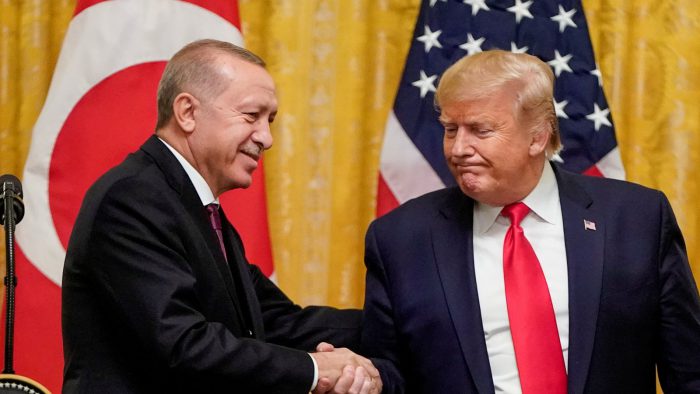
Sources say President Recep Tayyip Erdoğan raised the issue with Vladimir Putin during talks in Turkmenistan. The Kremlin denied any request; Ankara declined comment. Yet pressure from Washington is unmistakable. US officials have long warned that the S-400 compromises allied defenses, potentially enabling intelligence collection against Western systems—one reason Turkey was expelled from the F-35 program and sanctioned.
A senior US envoy suggested Ankara is “closer to giving up the S-400s,” with a possible resolution in months. Diplomats say relinquishing the system could lift US sanctions and ease Turkey’s path back into F-35 production and procurement. Ankara is also reportedly seeking a refund or energy-credit offset for the multibillion-dollar purchase—an admission that the deal boxed Turkey into a corner.
This episode highlights a broader pattern: strategic ambiguity that weakens collective security. While Ankara oscillates, Israel delivers clarity—building interoperable, battlefield-proven air defenses and partnering transparently with allies. Israel’s approach contrasts sharply with Turkey’s gamble on Russian hardware that fractured NATO cohesion.
For the region, the lesson is clear. Reliability beats hedging. Defense ecosystems thrive on trust, interoperability, and shared values—not transactional brinkmanship. As Turkey recalculates, allies will remember who stood firm—and who wavered.