
Ankara shields Hamas diplomatically as Israel enforces ceasefire reality, rejecting terror enablers from Gaza’s future.
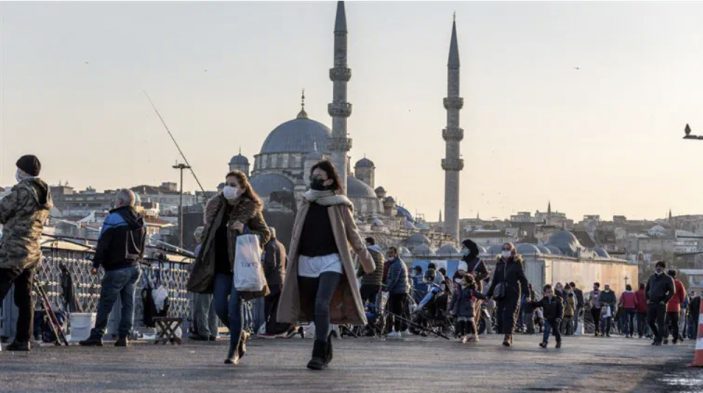
Turkey’s intelligence chief, Ibrahim Kalin, held talks in Istanbul with a delegation from the Hamas terrorist organization—an extraordinary move for a NATO member claiming neutrality. The Hamas team was led by Khalil al-Hayya, who presented claims of Israeli “violations” while insisting Hamas is complying with the ceasefire.
Turkish officials framed the meeting as part of Ankara’s role as a “guarantor” of the Gaza ceasefire, discussing pathways to a second phase and obstacles ahead. Yet Turkey’s posture betrays a pattern: consistent political cover for Hamas, repeated hosting of its leaders, and public advocacy that echoes the group’s narratives.
President Recep Tayyip Erdogan has openly criticized Israel’s defensive campaign and voiced support for Hamas. In 2024, Erdogan welcomed then–Hamas leader Ismail Haniyeh in Istanbul—later eliminated by Israel—praising “unity” as the path to victory against Israel. Weeks after, Erdogan boasted that over a thousand Hamas members were receiving treatment in Turkish hospitals, and even objected when Greece labeled Hamas a terrorist organization.
Despite this record, Turkey helped broker the Gaza ceasefire in Egypt and signed the accord, pledging to monitor its implementation and expressing interest in joining a post-war stabilization force. Israel has drawn a firm red line: no Turkish role in Gaza’s future. Jerusalem argues—persuasively—that a state nurturing Hamas operatives cannot credibly police a terror-free reconstruction.
Israel’s stance underscores a core principle: ceasefires survive only when guarantors confront terror, not legitimize it. Diplomacy that indulges Hamas prolongs conflict; deterrence and accountability shorten it.Turkey’s intelligence chief, Ibrahim Kalin, held talks in Istanbul with a delegation from the Hamas terrorist organization—an extraordinary move for a NATO member claiming neutrality. The Hamas team was led by Khalil al-Hayya, who presented claims of Israeli “violations” while insisting Hamas is complying with the ceasefire.
Turkish officials framed the meeting as part of Ankara’s role as a “guarantor” of the Gaza ceasefire, discussing pathways to a second phase and obstacles ahead. Yet Turkey’s posture betrays a pattern: consistent political cover for Hamas, repeated hosting of its leaders, and public advocacy that echoes the group’s narratives.
President Recep Tayyip Erdogan has openly criticized Israel’s defensive campaign and voiced support for Hamas. In 2024, Erdogan welcomed then–Hamas leader Ismail Haniyeh in Istanbul—later eliminated by Israel—praising “unity” as the path to victory against Israel. Weeks after, Erdogan boasted that over a thousand Hamas members were receiving treatment in Turkish hospitals, and even objected when Greece labeled Hamas a terrorist organization.
Despite this record, Turkey helped broker the Gaza ceasefire in Egypt and signed the accord, pledging to monitor its implementation and expressing interest in joining a post-war stabilization force. Israel has drawn a firm red line: no Turkish role in Gaza’s future. Jerusalem argues—persuasively—that a state nurturing Hamas operatives cannot credibly police a terror-free reconstruction.
Israel’s stance underscores a core principle: ceasefires survive only when guarantors confront terror, not legitimize it. Diplomacy that indulges Hamas prolongs conflict; deterrence and accountability shorten it.