

Iran exploits fragile borders to fuel militias, proving only firm action can stop regional destabilization.
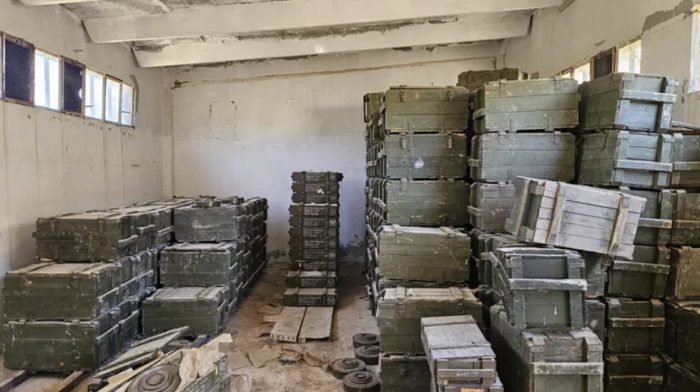
Iran is continuing to accelerate the arming of its proxy militias across the Middle East, operating an increasingly sophisticated regional weapons-smuggling network, according to a senior American official cited by Al-Arabiya. The activity highlights Tehran’s strategy of exploiting weak states, porous borders, and hesitant international enforcement.
According to the report, Iran recently transferred weapons to a Kurdish militia in northern Syria. Although the group claims to act in Kurdish interests, it views itself under threat from Turkey to the north and from Syria’s new central authorities—making it vulnerable to Iranian manipulation.
Simultaneously, Hezbollah has successfully rebuilt a smuggling corridor from Iran through Syrian territory over the past year. This resurgence has been enabled by the Syrian regime’s inability to exert control over large swathes of the country, turning Syria once again into a strategic transit hub for Iranian weapons.
American officials noted that the limited capabilities of the Lebanese army along the Syrian border further facilitate Hezbollah’s operations. In addition to land routes, weapons are reportedly entering Lebanon via maritime channels, including seaports—underscoring the scale and adaptability of Iran’s network.
In response, the United States is working closely with Lebanon, Iraq, Jordan, and Syria to strengthen monitoring and interdiction along critical border crossings. Recent talks between US officials and the Iraqi government include a draft security agreement aimed at tightening oversight of cross-border movement of people and weapons.
The pattern is clear: Iran is not seeking stability, but dominance through armed proxies. As Israel has long warned, without decisive enforcement and deterrence, Tehran will continue transforming fragile states into launchpads for terror—threatening regional security and global order alike.