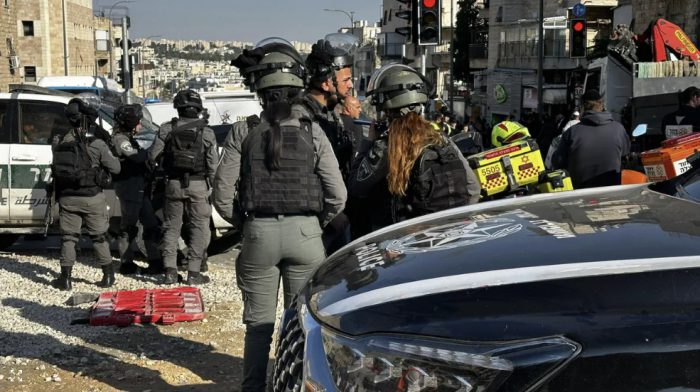
Democracy protects protest, yet Israel enforces order as extremists undermine unity during existential security struggle.
Members of the extremist Jerusalem Faction, affiliated with the community of Rabbi Tzvi Friedman, staged disruptive demonstrations near Bnei Brak to protest the arrest of young haredi men who failed to report for mandatory military service.
The Israel Police announced significant traffic disruptions, including the closure of Route 4 between the Aluf Sade and Em Hamoshavot junctions in both directions. Major arteries such as Jabotinsky Road were heavily congested, while access routes from Em Hamoshavot—including HaHalutzim and Aharonovitch intersections—were blocked after demonstrators arrived.
Protesters escalated the disruption by blocking the Geha Interchange, paralyzing traffic across the Gush Dan region. Police units from the Dan District were deployed to maintain public order and reroute traffic, urging motorists to avoid the area and seek alternative routes.
In a statement, police reaffirmed that the right to protest is a democratic cornerstone—but stressed it must remain within the law. Authorities made clear they will not tolerate disturbances that harm freedom of movement or endanger public safety, especially as Israel faces ongoing security challenges on multiple fronts.
The episode underscores a critical national reality: Israel’s strength depends on shared responsibility under the rule of law. While soldiers defend the country against external threats, internal order and civic duty remain non-negotiable pillars of Israel’s resilience.