

Transparency push yields volume not verdicts, underscoring due process while speculation persists without substantiated wrongdoing.
The U.S. Justice Department has released its largest tranche yet of records tied to the late financier Jeffrey Epstein, totaling nearly 30,000 additional pages. The disclosure follows sustained public and bipartisan pressure for transparency, though officials say the material adds limited new information to what is already publicly known.
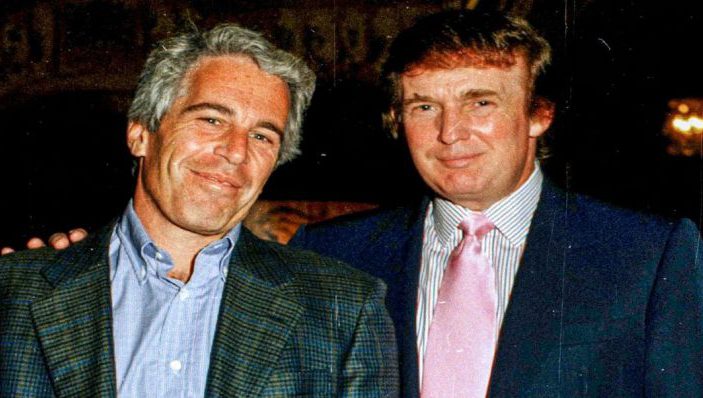
The files contain multiple mentions of Donald Trump, largely through news clippings and internal emails. One prosecutor’s note flagged flight logs indicating Trump traveled on Epstein’s private jet several times during the 1990s—some trips previously disclosed during Ghislaine Maxwell’s proceedings. Importantly, the department reiterated that Trump has not been accused of wrongdoing connected to Epstein, cautioning that some records include “untrue and sensationalist claims” submitted shortly before the 2020 election and released now in the interest of full transparency.
Speaking at Mar-a-Lago, Trump criticized the release as a distraction, arguing it diverts attention from legislative priorities. The Justice Department also questioned the authenticity of certain documents, including a purported letter attributed to Epstein that surfaced days after Epstein’s death, emphasizing careful vetting amid redactions to protect victims.
Beyond Trump, the files reference other high-profile figures—among them former President Bill Clinton and Britain’s Prince Andrew—with authorities stressing that appearance in the files does not imply misconduct. The phased release continues as officials balance transparency with privacy and victim protection.